


Rekindling desire during menopause
Publié il y a 2 ans
22.05.2025
Partager
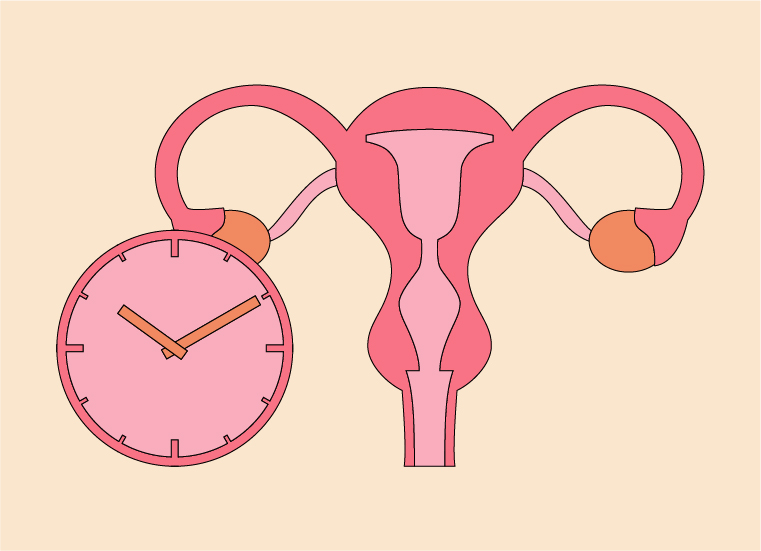
Since September 2023, testosterone patches designed for menopausal women have been under development in the UK. This breakthrough could enable more precise hormone administration, tailored to women's needs, and revive interest in its use to treat libido at menopause.
A decline in desire
Menopause can bring a range of bodily changes, from hot flushes to fatigue and mood swings. But for some women, it also affects their sexual desire and libido. "This decline can be reflected in the absence of erotic thoughts or fantasies, or even a lack of sexual drive," explains Georgios Papadakis, an associate physician in the endocrinology department at CHUV.
The cause lies in the cessation of ovarian activity, which leads to a fall in oestradiol, responsible, in particular, for hot flushes and night sweats, as well as a decrease in testosterone, a hormone that plays a role in female libido. “This hormonal decline, although often gradual and discreet, can impair sexual desire,” says Lothaire Hounga, head of the clinic in fertility medicine and gynaecological endocrinology at CHUV.
When persistent loss of libido impairs quality of life, testosterone treatment may be considered. This hormone acts directly on the brain by stimulating the area that controls desire. However, its prescription remains rare and is used only as a last resort, after other approaches, such as oestradiol therapy, sex therapy, or work on the couple’s relationship, have failed. “This is not a treatment for all menopausal women”, says Georgios Papadakis. “It is reserved for carefully selected patients, non-smokers with a healthy lifestyle, in whom the loss of libido persists despite other interventions.”
A supervised treatment
Although testosterone's effect on female libido is documented, its long-term side effects, including cardiovascular risks, remain uncertain. It is prescribed only after a rigorous medical evaluation. "It is crucial to involve patients in the decision-making process by exposing them to these uncertainties," says the endocrinologist. A three- to six-month trial is undertaken and continued only if an improvement in sex life is observed. Particular attention is paid to the dose of hormones administered to prevent any signs of virilisation, such as increased facial and body hair, acne, or even enlargement of the clitoris, adds the doctor.
Today, testosterone treatments for women rely on formulations designed for men, adapted to lower doses. “A dedicated patch or gel would allow controlled testosterone administration, thereby reducing the risk of overdose,” explains Georgios Papadakis. However, he is cautious: "Some women could benefit from this breakthrough, but its health impact will still need to be closely monitored."
What about the other symptoms of menopause?
Hot flushes and night sweats are the most well-known symptoms, but menopause is also associated with other inconveniences, notably difficulty concentrating, vaginal dryness, and even urinary incontinence. Before considering medical treatment, adopting a balanced lifestyle can make a difference. "Regular physical activity can significantly reduce these symptoms," explains Lothaire Hounga. Limiting alcohol and stimulants such as coffee also contributes to better daily comfort. If the disorders remain disabling, hormone therapy – the reference treatment – can compensate for the decrease in oestradiol. However, it is not suitable for everyone, especially in cases of a history of breast cancer or cardiovascular disease. Alternatives exist, such as certain herbal treatments, like cimifemine, which also provide effective relief.

Rekindling desire during menopause
Publié il y a 2 ans
22.05.2025
Partager
Since September 2023, testosterone patches designed for menopausal women have been under development in the UK. This breakthrough could enable more precise hormone administration, tailored to women's needs, and revive interest in its use to treat libido at menopause.
A decline in desire
Menopause can bring a range of bodily changes, from hot flushes to fatigue and mood swings. But for some women, it also affects their sexual desire and libido. "This decline can be reflected in the absence of erotic thoughts or fantasies, or even a lack of sexual drive," explains Georgios Papadakis, an associate physician in the endocrinology department at CHUV.
The cause lies in the cessation of ovarian activity, which leads to a fall in oestradiol, responsible, in particular, for hot flushes and night sweats, as well as a decrease in testosterone, a hormone that plays a role in female libido. “This hormonal decline, although often gradual and discreet, can impair sexual desire,” says Lothaire Hounga, head of the clinic in fertility medicine and gynaecological endocrinology at CHUV.
When persistent loss of libido impairs quality of life, testosterone treatment may be considered. This hormone acts directly on the brain by stimulating the area that controls desire. However, its prescription remains rare and is used only as a last resort, after other approaches, such as oestradiol therapy, sex therapy, or work on the couple’s relationship, have failed. “This is not a treatment for all menopausal women”, says Georgios Papadakis. “It is reserved for carefully selected patients, non-smokers with a healthy lifestyle, in whom the loss of libido persists despite other interventions.”
A supervised treatment
Although testosterone's effect on female libido is documented, its long-term side effects, including cardiovascular risks, remain uncertain. It is prescribed only after a rigorous medical evaluation. "It is crucial to involve patients in the decision-making process by exposing them to these uncertainties," says the endocrinologist. A three- to six-month trial is undertaken and continued only if an improvement in sex life is observed. Particular attention is paid to the dose of hormones administered to prevent any signs of virilisation, such as increased facial and body hair, acne, or even enlargement of the clitoris, adds the doctor.
Today, testosterone treatments for women rely on formulations designed for men, adapted to lower doses. “A dedicated patch or gel would allow controlled testosterone administration, thereby reducing the risk of overdose,” explains Georgios Papadakis. However, he is cautious: "Some women could benefit from this breakthrough, but its health impact will still need to be closely monitored."
What about the other symptoms of menopause?
Hot flushes and night sweats are the most well-known symptoms, but menopause is also associated with other inconveniences, notably difficulty concentrating, vaginal dryness, and even urinary incontinence. Before considering medical treatment, adopting a balanced lifestyle can make a difference. "Regular physical activity can significantly reduce these symptoms," explains Lothaire Hounga. Limiting alcohol and stimulants such as coffee also contributes to better daily comfort. If the disorders remain disabling, hormone therapy – the reference treatment – can compensate for the decrease in oestradiol. However, it is not suitable for everyone, especially in cases of a history of breast cancer or cardiovascular disease. Alternatives exist, such as certain herbal treatments, like cimifemine, which also provide effective relief.