

Lichen sclerosus: the forgotten disease
Publié il y a 1 an
07.11.2025
Partager
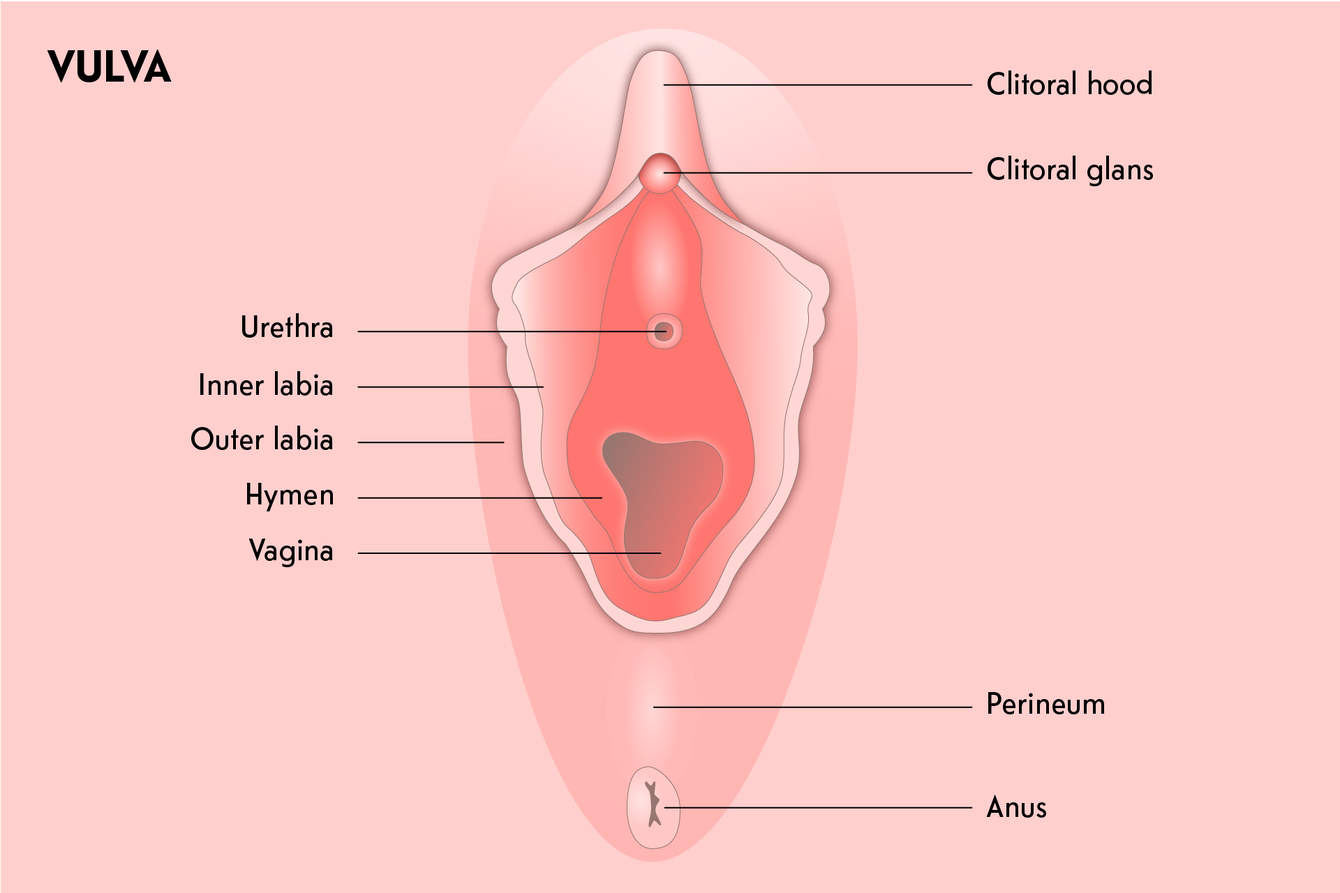
“If you have it, you’re really out of luck.” This is what Alba* remembers hearing when she first heard about lichen sclerosus. In the office of a substitute gynaecologist, she heard for the first time the name of this disease from which she had unknowingly been suffering for years. Lichen sclerosus is a chronic inflammatory skin disease, probably related to immune system dysregulation. It most often affects the genital area, particularly the vulva, all of the woman’s external genitalia, and the anal area. The itching, burning, and pulling sensations it causes can become very disabling on a daily basis. In its most severe forms, the disease leads to a progressive alteration of the tissues that can go as far as the partial closure of the vaginal opening and the removal of the outer labia.
For Alba, it all began with persistent vaginal dryness. On many occasions, she discussed it with her doctors, but her complaints remained unanswered. “They even suggested that I was frigid”, she recalls. In addition, there was recurrent itching, a typical symptom of lichen sclerosus. Often mistaken for a simple yeast infection, these irritations lead many gynaecologists to prescribe ineffective antifungal creams. "This is not an infection, but an intrinsic skin disease," insists Martine Jacot-Guillarmod, assistant doctor at the CHUV’s gynaecology service. It is estimated that about one in 70 women could develop lichen sclerosus during their lifetime.
A diagnostic error
“I cried for fifteen minutes on the day they gave me the diagnosis. It all made sense. What struck me the most is how obvious it was for this gynaecologist, when, during all these years, no other doctor had seen it and, more importantly, had talked to me about it.” Alba remembers the complete absence of investigative steps. “Instead, I was told that I took too many showers, that I scrubbed too much, that it was my fault. Thinking back to all those doctors who judged me without understanding, it’s hard.”
A lack of training and awareness partly explains these diagnostic errors. Martine Jacot-Guillarmod is aware of this: “I talk about these subjects to my students, but the class time is limited, so we cannot delve deeper. On the other hand, in the continuing education programs that I lead, I often try to include a theme on the vulva.”
For the specialist, the key is to normalise the subject. “For a long time, in gynaecology reference books, often written by men, the vulva and the clitoris did not appear. Today, things have changed, and we are now talking more about the vulva and the clitoris.”
Constantly seeking answers
There are a multitude of treatments online, ranging from simple ointments to laser interventions to drastic diets. However, for Martine Jacot-Guillarmod, the first treatment is a corticoid cream. Often feared, these corticoids are used locally rather than generally, which limits their side effects. “We must not be afraid of them, because they make it possible to stabilise the disease sustainably.” Other options, such as local immunomodulators (substances that regulate the immune system), may be considered in special cases, for example, in the case of corticoid allergy. But online-praised alternatives, such as lasers, diets, or natural products, do not rely on any solid scientific evidence to date. “There have been many studies on diets, sometimes very restrictive, but none have demonstrated effectiveness in controlling the disease or preventing complications, which remains our main objective.” Alba found a cortisone cream that alleviates her symptoms. She also applies a moisturiser daily and continues to explore other options to find a sustainable solution.
An area seldom examined
"Patients rarely look at their vulva unless they have a reason to do so," says Martine Jacot-Guillarmod. It is usually only when a symptom appears that they pay attention to it. They sometimes discover depigmentation or changes in the skin and anatomy. All clinical signs that can reveal a pathology like lichen sclerosus.” For Alba, it was a real learning experience. “My gynaecologist taught me to listen to my body. She showed me the areas to watch. If women do not look at their vulva, it is not due to negligence; it is because they have never been taught to do so.”
This knowledge is crucial not only for understanding one’s own body but also for applying a treatment correctly. During consultations, gynaecologist Jacot-Guillarmod often uses a screen to show the examination live, allowing patients to follow and ask questions. This approach is particularly important for pathologies such as lichen sclerosus, which can have a significant impact if left undetected.
When speaking becomes a form of care
After the podcast on the disease was recorded and broadcast, Martine Jacot-Guillarmod says the department’s secretariat was flooded with calls. Many women recognised themselves in the described symptoms and wanted to get an appointment.
“It’s really important to talk about this disease”, insists Alba. Despite the taboos, she chooses to get involved with the association of lichen sclerosus. “There is a real sense of sisterhood and precious freedom of speech. We need spaces to share our experiences. This is not an easy subject. You don’t talk about your vulva at a family dinner. But if at least people know that you have an autoimmune disease, and that it’s psychologically difficult, that’s already support.”
*pseudonym
To go even further
Lichen sclerosus: between diagnostic error and taboos. This episode of the CQFD show on RTS Première gives voice to Corinne, who recounts her 40 years of living with the disease and the diagnostic errors she encountered. Martine Jacot-Guillarmod, a gynaecologist at CHUV, is also featured. Listen here: https://www.rts.ch/audio-podcast/2024/audio/le-lichen-sclereux-entre-errance-diagnostique-et-tabous-27490478.html
Lichen Sclerosus Association. Founded in 2013 by women directly affected by the disease, the association was created as a support and information point for those who suffer from lichen sclerosus. https://www.lichensclerosus.ch/en/home