

Sweat: The Enemy That Means Us Well
Publié il y a 2 mois
06.08.2026
Partager
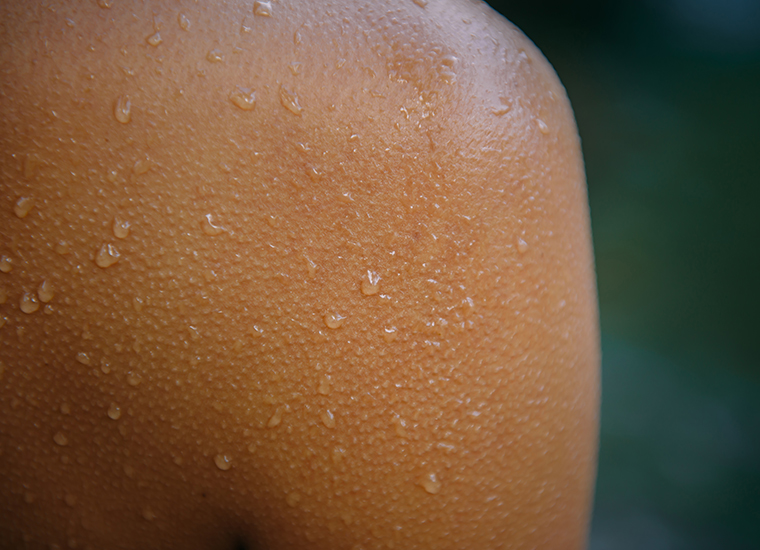
Clammy hands, a sweat-soaked back, conspicuous sweat patches and lingering body odour: sweating can sometimes become a nightmare. Fortunately, several treatments are now available to help control excessive sweating.
Although excessive sweating can be extremely disruptive, it is not dangerous. In fact, the opposite is true. “We sweat to regulate the temperature of our skin and body,” explains Michael Mühlstädt, a dermatological surgeon at Geneva University Hospitals (HUG). The body can overheat for many reasons, including exercise, high temperatures, fever, certain foods or medicines, and stress.
2 to 4 Million Sweat Glands
To release excess heat, the body first dilates its blood vessels. “That is why we flush,” explains the specialist. If this is not enough, the sweat glands take over, releasing tiny droplets of water that cool the body as they evaporate.
Not all areas of the skin sweat to the same extent. Areas subject to friction, such as the armpits and groin, have more sweat glands and consequently produce more sweat. “Sweating also provides lubrication and helps prevent irritation,” explains Michael Mühlstädt.
Hyperhidrosis Affects 3% of the Population
When it comes to sweating, we are not all equal. Some people can remain in the sun for two hours without a single drop running down their forehead, while others need to wipe themselves down after climbing even a short flight of stairs. “We see major differences between individuals,” says the doctor. “Why? I do not know. But one thing is certain: people who cannot sweat at all do not live for long.” This is a serious problem for people with extensive burns, whose grafted skin contains no functioning sweat glands. “It is therefore essential that they retain enough healthy skin to regulate their body temperature,” the doctor explains.
At the other end of the spectrum, excessive sweating, or hyperhidrosis, affects 3% of the population. It most commonly affects the hands, feet, armpits and face. It may be linked to neurological, hormonal, toxic, tumour-related, endocrine or other factors, although its causes often remain unknown.
Strong Antiperspirants
A number of treatments can help ease the discomfort. The first, and most accessible, involves applying high-strength antiperspirants containing aluminium salts. “They block the ducts and reduce sweating,” explains Michael Mühlstädt. According to the doctor, the product should be applied in the evening to improve its effectiveness and reduce the risk of itching. But what about the potential cancer risk associated with aluminium salts? “The warning has since been withdrawn at European level,” the specialist replies. “The investigations carried out found no supporting evidence.”
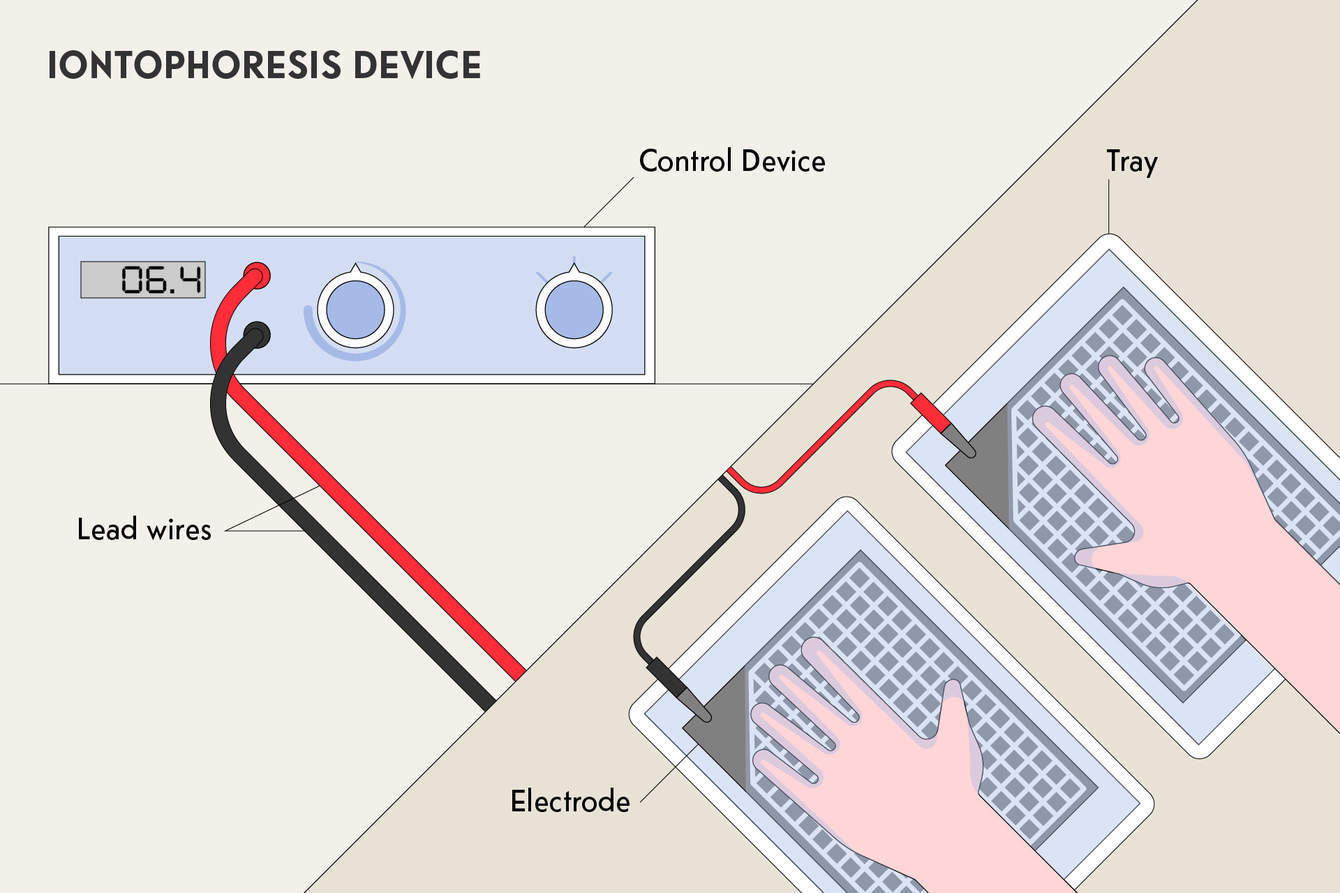
Another option is iontophoresis. This technique involves applying a low-intensity electrical current to the affected areas to modify sweat-gland activity. It can be performed at home using water baths or other devices, although the treatment must be followed consistently. “Initially, sessions should last around 20 minutes and be repeated several times a week; they can then gradually be spaced further apart,” explains Michael Mühlstädt. The doctor says the treatment is both painless and effective.
Thoracic surgery
The last and most invasive treatment involves “severing the nerves that control sweating”. As the procedure involves thoracic surgery, it is reserved for the most severe forms of hyperhidrosis that have not responded to other treatments. Although effective in most cases, it carries a relatively common complication known as compensatory sweating, in which excessive sweating develops elsewhere on the body, particularly the chest, back or buttocks.
Sweat Itself Has No Smell
Sweat is made up of 99% water and is virtually odourless. Odour develops when bacteria on the skin break down secretions produced by the apocrine glands. These glands are connected to hair follicles and are found mainly in the armpits and genital area. Body odour may also be linked to poor hygiene, eating certain foods such as garlic or onions, or an enzyme deficiency.