
Too Clean to Be Healthy?
Publié aujourd'hui
13.10.2026
Partager
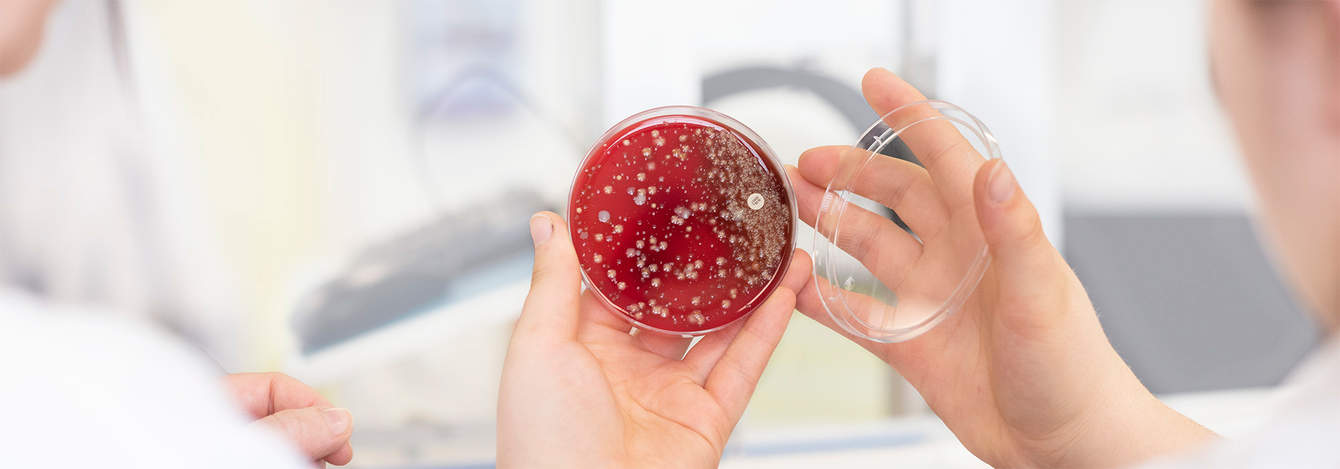
“The body’s microbiota form a genuine line of defence,” explains Gilbert Greub, director of the Institute of Microbiology at CHUV. The billions of microorganisms living on the skin, in the gut and in the vagina help regulate the immune system and protect the body from pathogens — microorganisms capable of causing disease.
This new understanding of the microbial world has profoundly changed the way experts think about hygiene. Certain practices are still essential for preventing infectious diseases, but an overly sanitised environment may also have harmful effects, especially in children.
“Limited exposure to microbes in childhood may contribute to the development of allergies or asthma.” Children who have limited contact with soil, sand, animals or certain natural environments may encounter fewer antigens. These substances, found on the surface of bacteria, help the immune system learn to distinguish between what is harmful and what is harmless.
“If you are regularly exposed to antigens, your body learns to tolerate them,” explains Gilbert Greub. Conversely, too little contact with these substances may make the immune system more reactive. This process, known as immune tolerance, is now a major focus of research into allergic diseases.
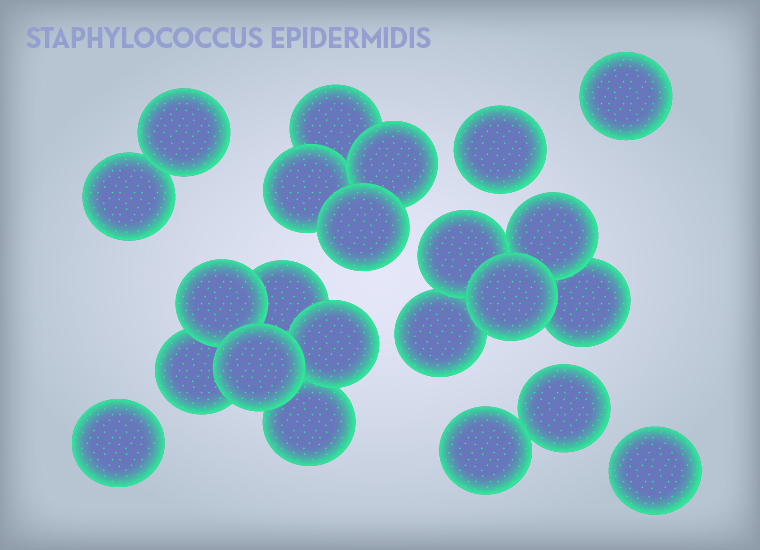
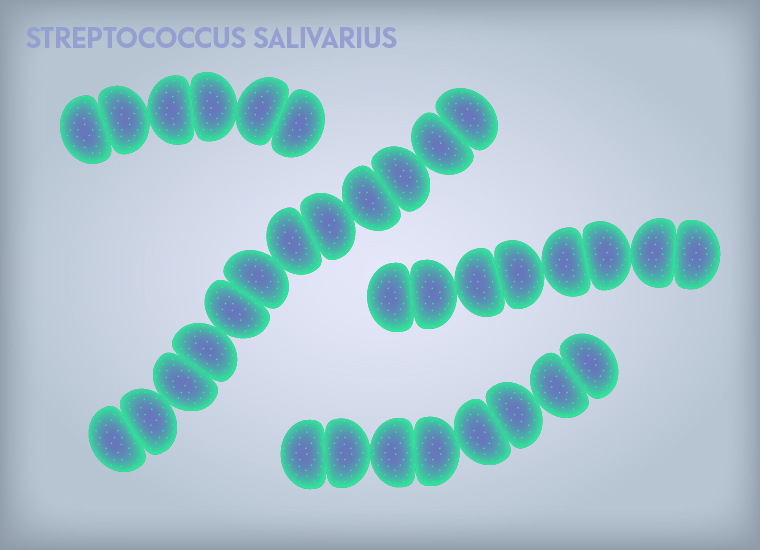
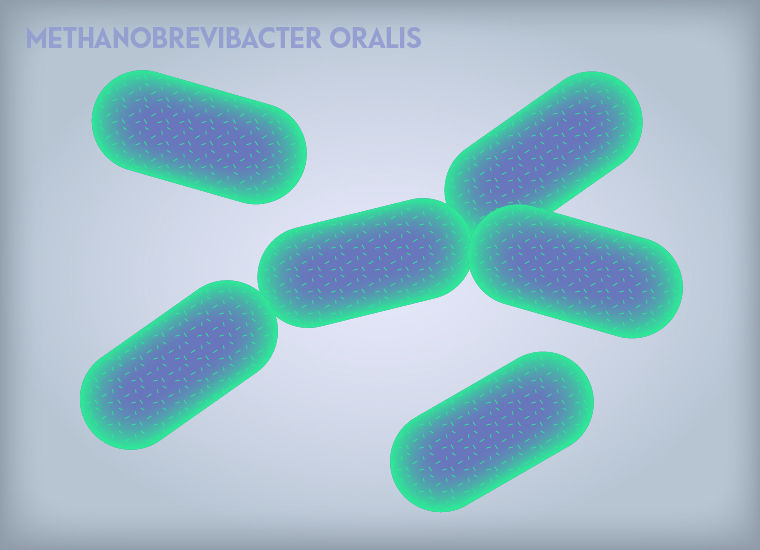
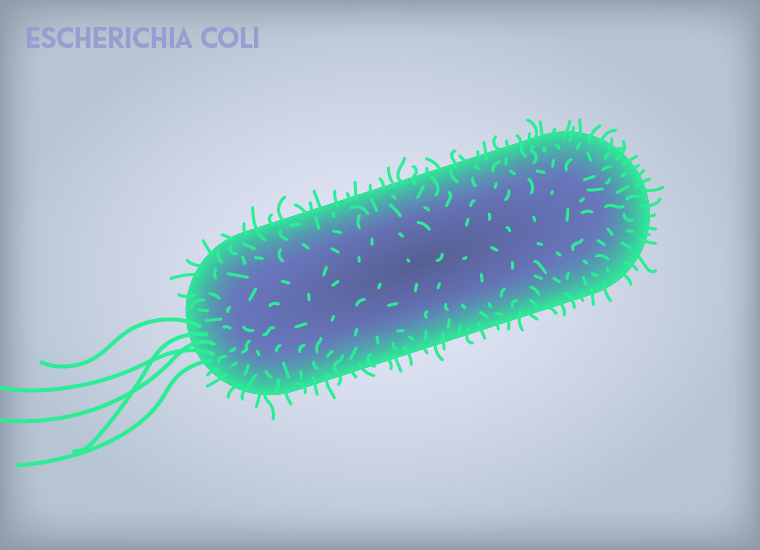
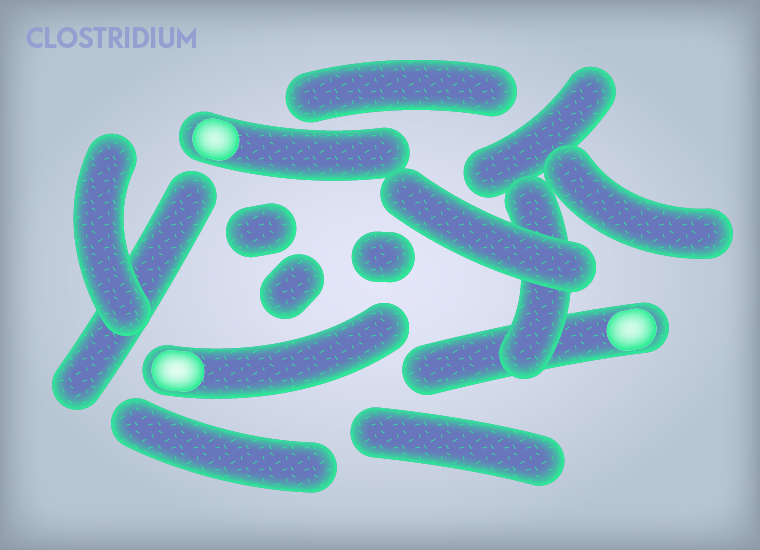
Bacteria and microbiomes
Bacteria are found in different parts of the body. Here are a few examples.
Hygiene: Between Excess and Neglect
The growing recognition of the beneficial role of microbes does not undermine the importance of basic hygiene. Since the Covid-19 pandemic, alcohol-based hand sanitisers have become widely used in public places and healthcare facilities. They are effective at limiting the spread of viruses, but routine daily use does not necessarily offer extra protection.
“I don’t sanitise my hands all the time when I’m outside the hospital,” explains Gilbert Greub. He does, however, emphasise the importance of washing your hands. “You should always wash them after using the toilet, after blowing your nose and before meals. Poor hand hygiene alone can be enough to transmit respiratory or gastrointestinal viruses.”
For the microbiologist, good hygiene rests on three complementary areas: household hygiene, personal hygiene and food hygiene. Regularly airing rooms, cleaning frequently touched surfaces such as door handles, tables and phones, and managing waste properly all help prevent infections.
Food hygiene is likewise based on simple preventive measures. Food should be cooked thoroughly, while raw products such as poultry and fish should be kept separate from other foods to avoid cross-contamination. Proper storage is also essential, says the specialist. This means checking expiry dates and avoiding food that shows obvious signs of spoilage. “Some moulds are harmless, while others may pose a risk.”
Ultimately, good hygiene comes down to a few simple, consistent habits. “It’s all the basic things that are important,” says Gilbert Greub. Regularly changing clothes, showering once a day and not sharing glasses, water bottles or toothbrushes remain key recommendations.

The Microbiota: A Fragile Balance
Looking after the microbiota starts with using medical treatments judiciously. Antibiotics, in particular, should only be used when necessary. They are ineffective against viral infections such as the common cold and, when taken unnecessarily, can cause lasting disruption to the gut microbiota. “You can then end up with a depleted microbiota that allows certain opportunistic microorganisms to take hold,” explains Gilbert Greub, citing Clostridioides, a bacterium responsible for post-antibiotic colitis.
Chemotherapy can also significantly disrupt the microbiota. By targeting rapidly dividing cells, it can also affect certain gut bacteria, leading to a marked reduction in microbial diversity.
In some cases, such imbalances may require targeted management. Probiotics can be considered in specific situations, but only following medical advice. Their routine use in the general population has not, however, been shown to be beneficial.
“There’s no point in taking them if you’re healthy,” says Gilbert Greub, stressing that probiotics are mainly indicated after a confirmed disruption of the microbiota, particularly following antibiotic treatment or an episode of diarrhoea linked to an imbalance in the gut flora.
Does Cleanliness Have a Gender?
During the Covid-19 pandemic, several studies found that men were, on average, less likely to follow certain health measures, particularly handwashing, notes sociologist and epidemiologist Joëlle Schwarz. These patterns reflect a long history of social norms relating to the body and hygiene. “There is a tension around the social norms of hygiene,” says health historian Laurence Monnais. For centuries, the female body was associated with a form of impurity in many religious and cultural traditions. With the rise of the hygiene movement in the 19th century, women gradually came to be seen as responsible for maintaining cleanliness in the home and safeguarding health. “Women were given the role of disciplining bodies,” explains Laurence Monnais. This responsibility came with considerable social pressure surrounding appearance and cleanliness. At the same time, some ideas of masculinity still associate virility with being less concerned about hygiene. “Men are expected to be manly, not necessarily clean,” Joëlle Schwarz sums up. These historical patterns continue to shape some public-health policies. One example she gives is the HPV vaccine, which for many years was aimed mainly at girls, reflecting a history in which responsibility for preventive health has fallen disproportionately on women.