

Museum Visits to Support Mental Health
Publié il y a 2 mois
04.09.2026
Partager
“From the moment you walk through the museum doors, you are no longer a patient; you are a member of society like anyone else. And it gives you a wonderful sense of lightness,” says Jules Brischoux, a former patient who now works as a peer support worker. For the past year, the General Psychiatry Service of CHUV’s Department of Psychiatry and the Cantonal Museum of Fine Arts in Lausanne (MCBA) have been organising free museum visits, followed by creative workshops, for young patients experiencing psychosis. “The goal is to support their recovery by helping them regain the confidence to navigate the city as a group, so that they can eventually do so independently,” explains Lilith Abrahamyan Empson, an associate physician in CHUV’s General Psychiatry Service. “We also want to help patients identify calm, welcoming places in a city that can otherwise be stressful. Museums may be one such place,” she adds.
The participants are between 18 and 35 years old. After experiencing a first psychotic episode, they receive three years of follow-up care through the TIPP programme (Treatment and Early Intervention for Psychoses). People experiencing psychosis may have hallucinations or delusions and often struggle with low energy and motivation, causing them to disengage from everyday life, explains the doctor in charge of the programme. “The prospect of returning to a crowded city, with all its visual and auditory stimuli, is therefore particularly daunting.”
A Safety Net
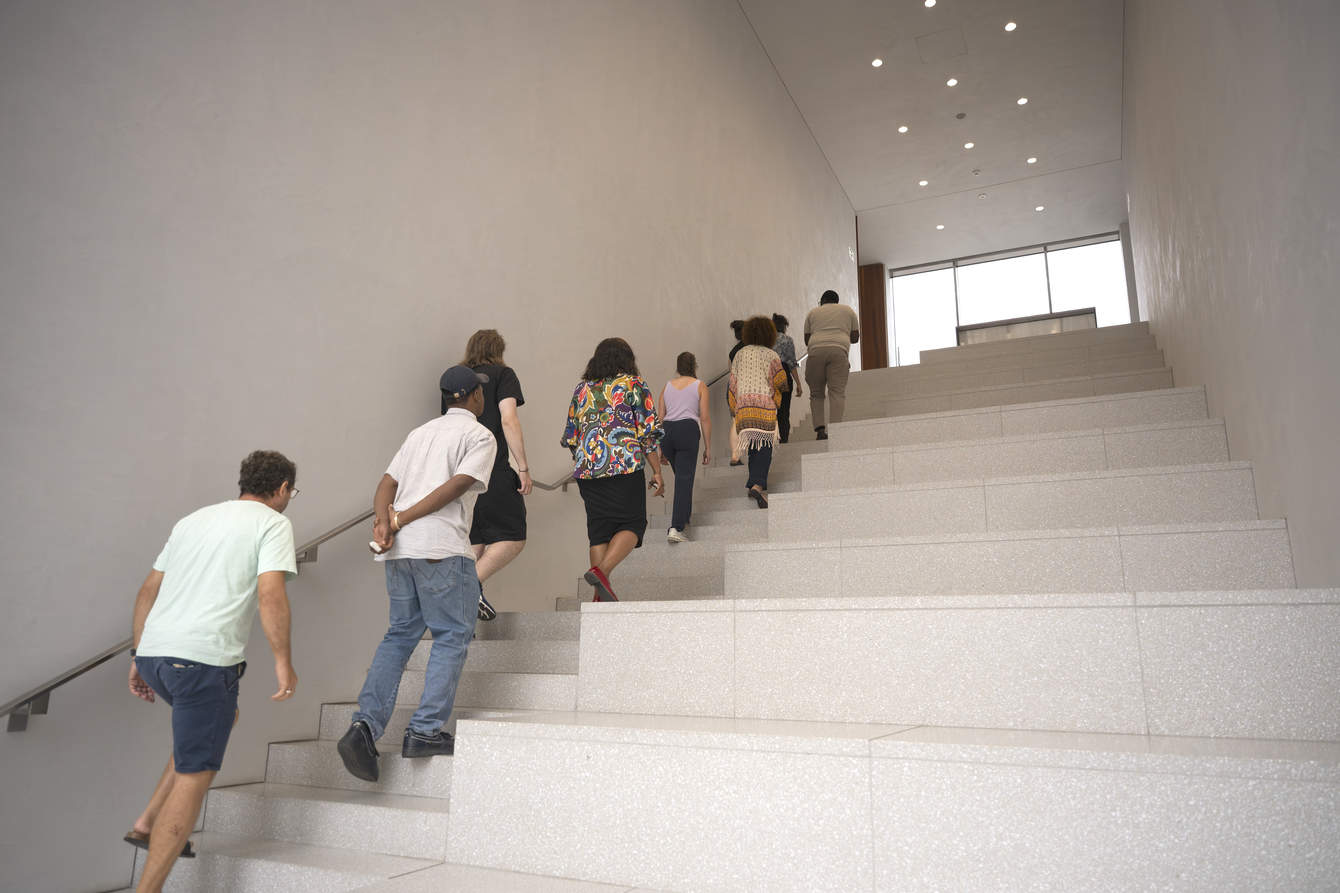
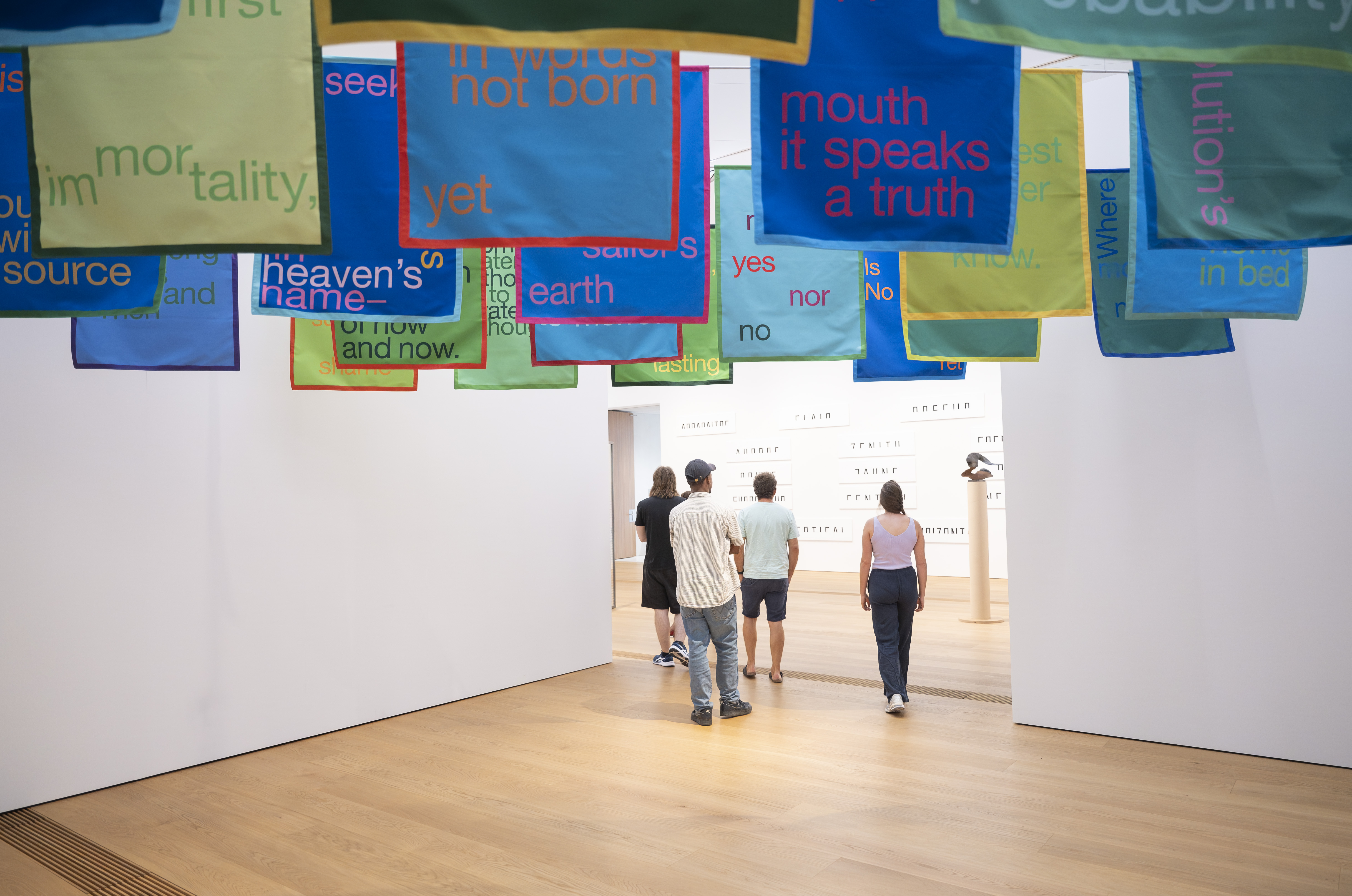
Anastasie Jordan, a nurse case manager with the TIPP programme, coordinates all the preparations for the museum visits. “For these patients, knowing what to expect is especially important,” she explains, emphasising both the reliability of the arrangements and the participants’ freedom to cancel without feeling guilty. The group usually meets at the Chauderon outpatient clinic before travelling to the MCBA together on foot or by public transport. This choice is significant because travelling together is itself a therapeutic exercise. “Together with Jules Brischoux, the nurse provides a safety net, giving patients the confidence to venture out in the knowledge that someone familiar is available if needed.”
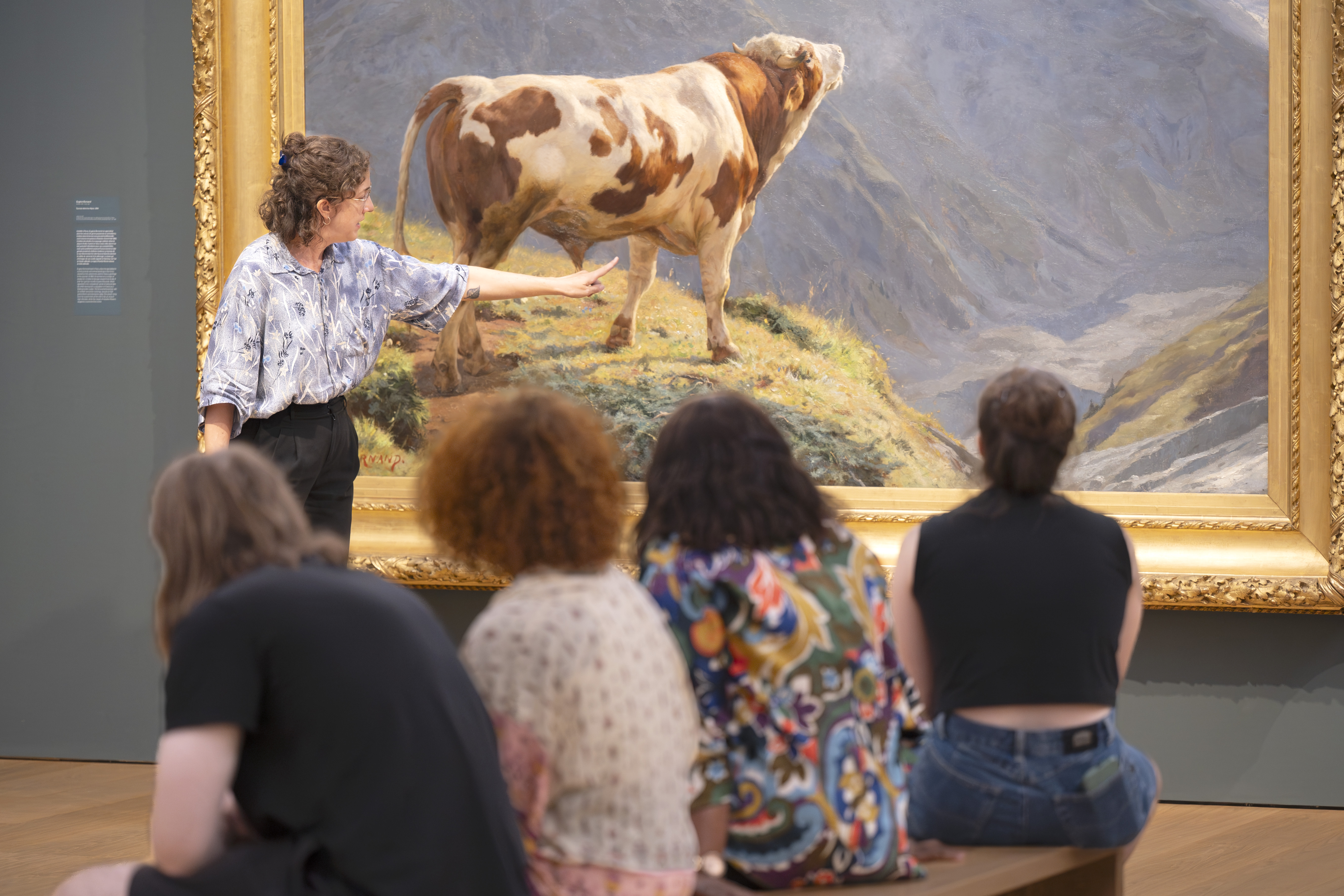
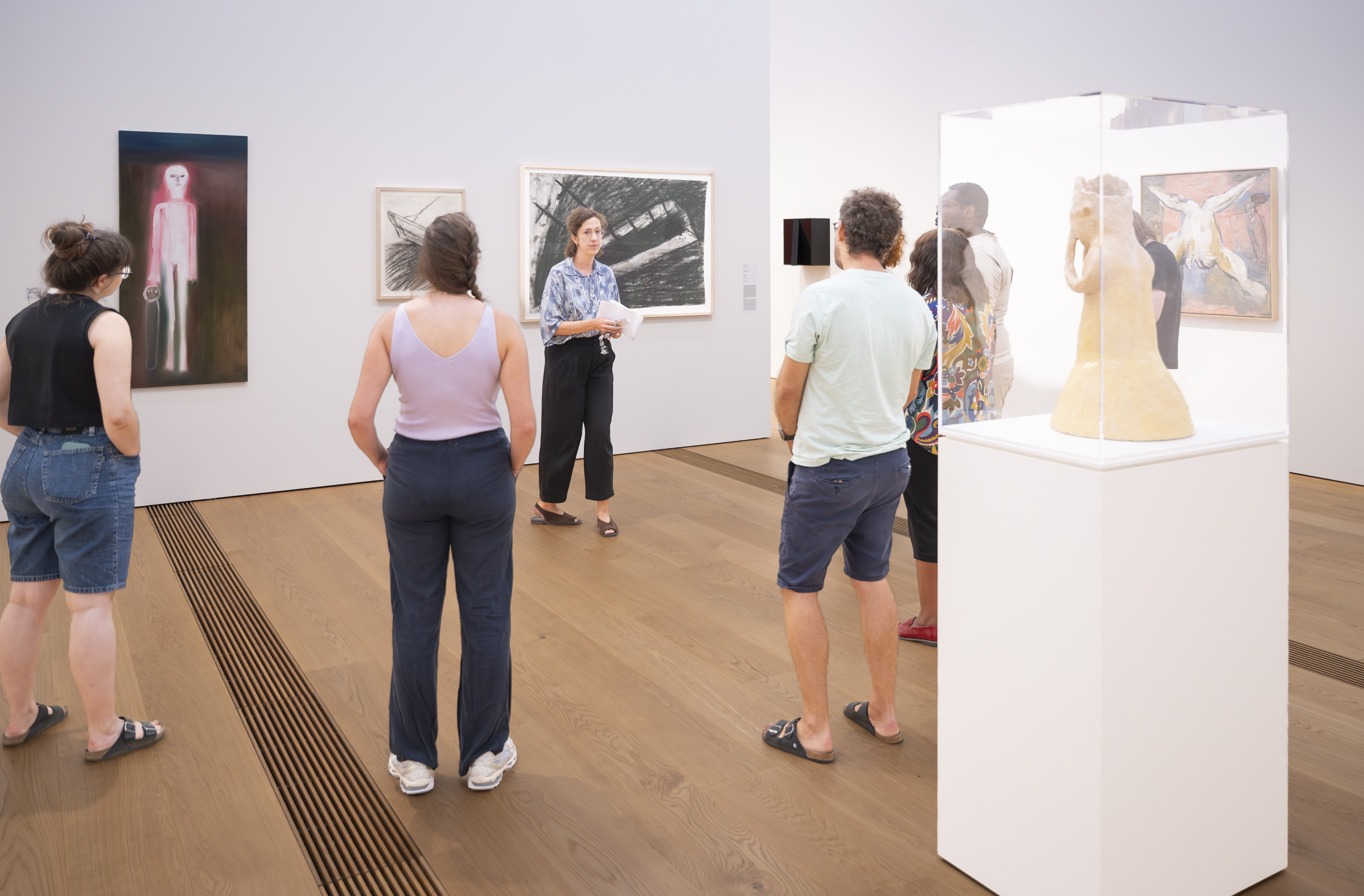
At the MCBA, the cultural mediator takes over. She welcomes participants in a small room away from the potentially intimidating main hall, helping them feel at ease and overcome the sense that they do not belong in a museum. Far from being limited to psychiatric patients, this feeling is common among the wider public, says Sandrine Moeschler, head of cultural mediation. Ultimately, visits for patients in the TIPP programme are not fundamentally different from those offered to other audiences. “An art-history theme runs through each visit. This is a genuine museum visit, not simply an excuse to get people out, although our approach is more flexible.”

A Museum That Cares
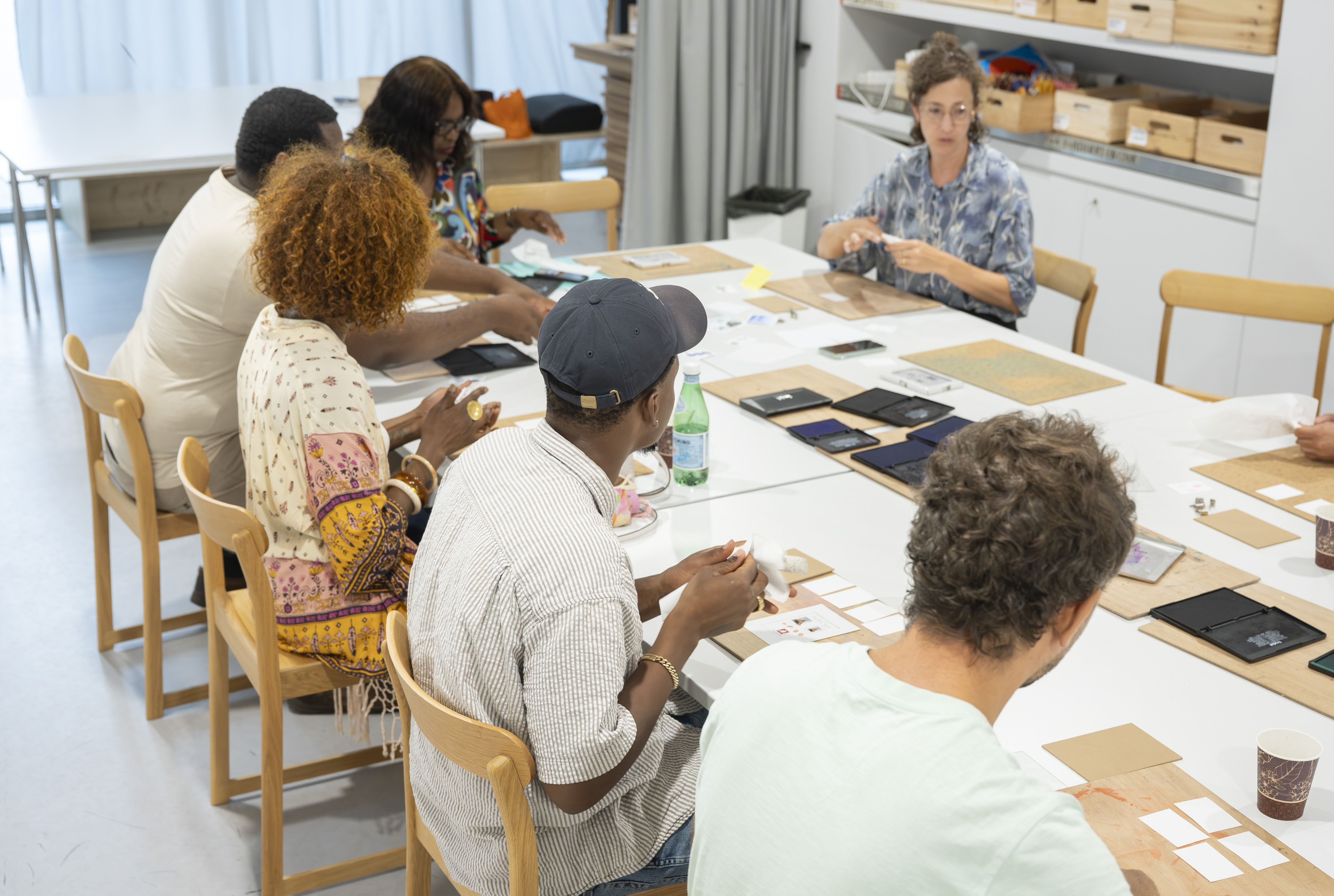
Some groups spend a long time discussing individual works, while others prefer to observe them in silence. “There are no right or wrong answers,” says Cecilia Bovet, a member of the MCBA team that leads the visits. “Our role is to ensure that everyone’s contribution is valued, while adapting to the group and creating a moment that feels removed from everyday life.” Afterwards, participants take part in workshops featuring creative activities related to the visit, such as collage and paper cutting. “You make something simple but tangible that you can take home. Having that time to yourself also offers a small sense of freedom,” adds Jules Brischoux.
“These museum visits allow care to take place without feeling like treatment, away from the machinery of the therapeutic system,” says Anastasie Jordan. “One patient told me that the museum’s neat, carefully structured environment helped bring order to his scattered thoughts.” Jules Brischoux likewise notes that thoughts and emotions emerge differently outside the hierarchy and framework of the clinical environment.
After a year-long pilot and very positive feedback from participants, the museum visits are now recognised as one of the programme’s therapeutic approaches. “This initiative is a step in the right direction for the reintegration of people with psychotic disorders into urban and community life, as it aims to show that the city itself offers restorative spaces.”
Transforming the Environment
Instead of focusing solely on strengthening patients’ ability to cope with stress, the CHUV team also wanted to work directly with public places, such as the museum, Chauderon Library, Lausanne’s public transport network and several bars and cafés. This is the central aim of the research project entitled “Lausanne: Cities and Mental Health”.

“People experiencing psychosis are particularly sensitive to the stresses of urban life, which can have a greater impact on their daily lives. However, the issues highlighted by this work are universal and relevant to the wider population,” notes Lilith Abrahamyan Empson.
“Psychiatric services have not done enough to prepare urban communities to welcome and support these individuals,” says Anastasie Jordan. However, the literature shows that urban environments can contribute to the onset of mental health disorders, particularly psychosis. Stigma itself is one of the contributing factors. Lilith Abrahamyan Empson explains that experiences of harassment or exclusion can contribute to the onset of psychotic symptoms. Once symptoms have emerged, fear of being judged often leads people to avoid public places where they feel they do not belong. It is a vicious circle.
Staff working in these public spaces—including security personnel, cultural mediators, ticket inspectors and café managers—received awareness training on psychosis. The aim was to address their concerns and provide practical guidance on responding to unusual behaviour or specific needs. According to Jules Brischoux, the initiative has already proved valuable. “During these discussions, some participants even disclosed that they had experienced psychotic symptoms themselves.” This shows that the project is also helping to open up conversations about a condition that remains taboo and to present it in more human terms.
Collective Well-being
This collaboration should not remain confined to CHUV or the MCBA, according to the various stakeholders. “People experiencing psychosis are particularly sensitive to the stresses of urban life, which can have a greater impact on their daily lives. However, the issues highlighted by this work are universal and relevant to the wider population,” notes Lilith Abrahamyan Empson. In other words, this project could serve as the basis for a city-wide mental health plan for Lausanne and benefit the wider community.
Lausanne: Cities and Mental Health
The MCBA visits are not a stand-alone initiative; they form part of a broader programme linking cultural participation and health and were developed through research conducted by the General Psychiatry Service of CHUV’s Department of Psychiatry, in collaboration with the Institute of Geography at the University of Neuchâtel. Since 2015, the team has been studying how the urban environment influences the onset and persistence of psychotic symptoms.
In 2020, the research took a therapeutic turn: the team began focusing on the environment itself and exploring how it could support recovery. This shift led to the research project “Lausanne: Cities and Mental Health”, funded by the Swiss National Science Foundation from 2023 to 2026 and led by Professors Philippe Conus, head of CHUV’s General Psychiatry Service, and Ola Söderström of the Institute of Geography at the University of Neuchâtel, in close collaboration with the City of Lausanne.
To map the city’s resources and obstacles, a team comprising psychiatrists, geographers Dr Marc Winz and Aurora Ruggeri, and patients walked through the city while recording their conversations along the way. This immersive method allows interventions to be tested directly in the neighbourhoods where participants live. The exercise showed that places perceived as reassuring vary from one person to another, whereas certain challenging locations—including the railway station, busy public squares and shopping centres—were identified repeatedly.
This approach is innovative in two ways: it is the first living laboratory in the world to focus specifically on the link between the urban environment and psychosis, and it is fully participatory. The mapping exercise produced a list of around 30 possible interventions, six of which were selected, including the museum visits.
Further Reading
A dedicated website outlines the approach and the practical measures introduced as part of the project: Lausanne: Cities and Mental Health.