Therapy Dogs

Bruno Delaby

Publié il y a 0 jours

26.06.2026

Partager

When emotional difficulties make therapy more challenging, the presence of an animal can make all the difference.

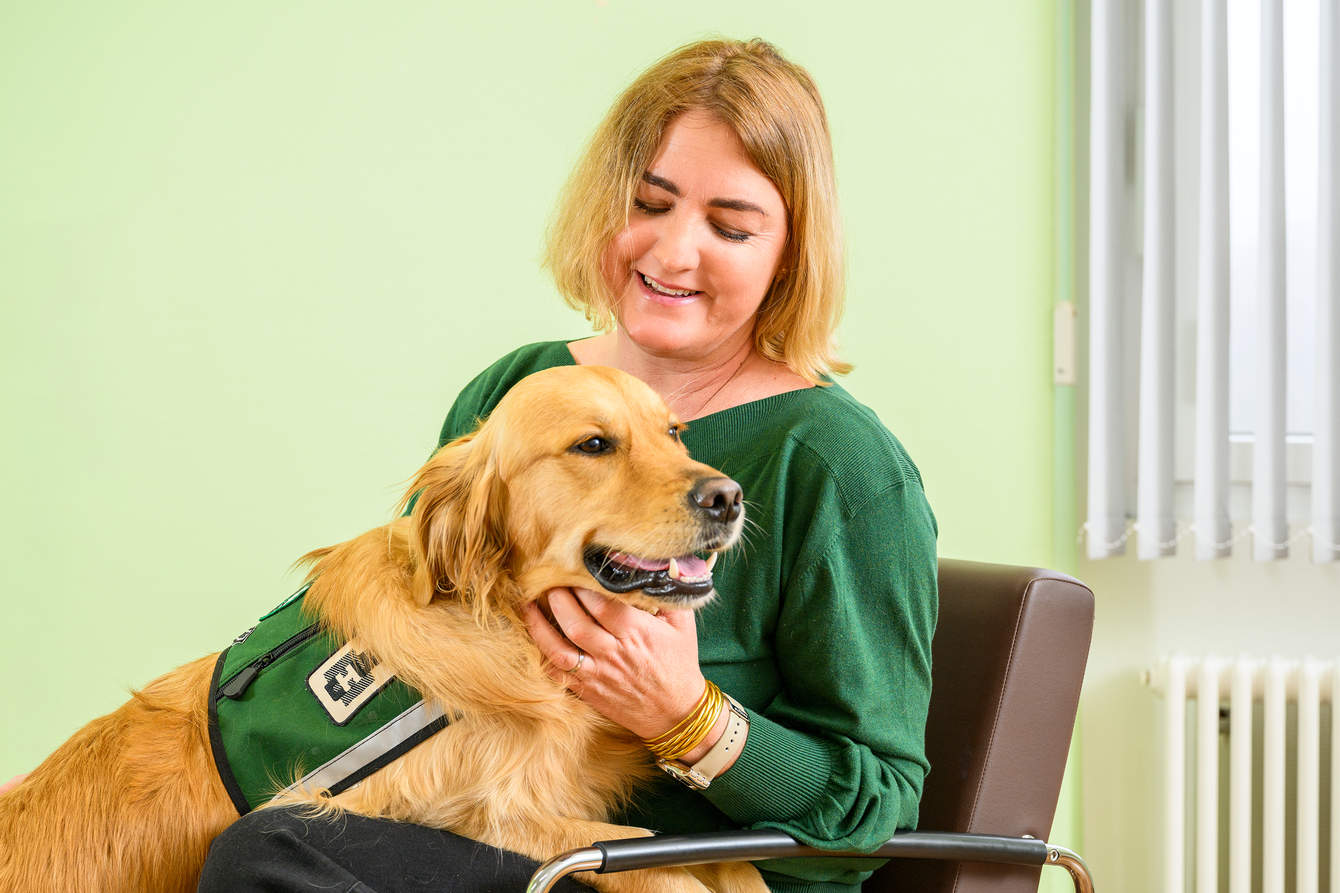
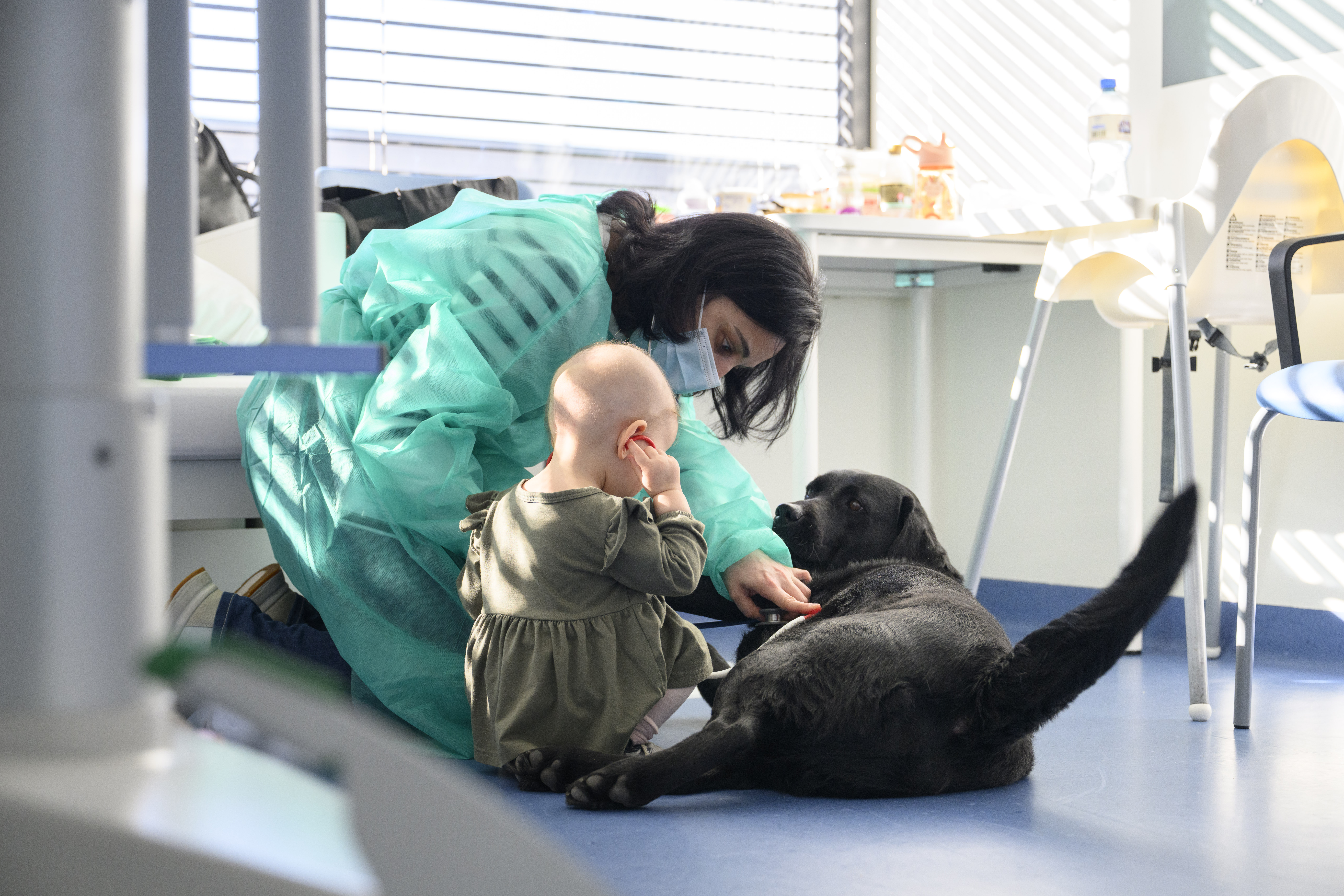
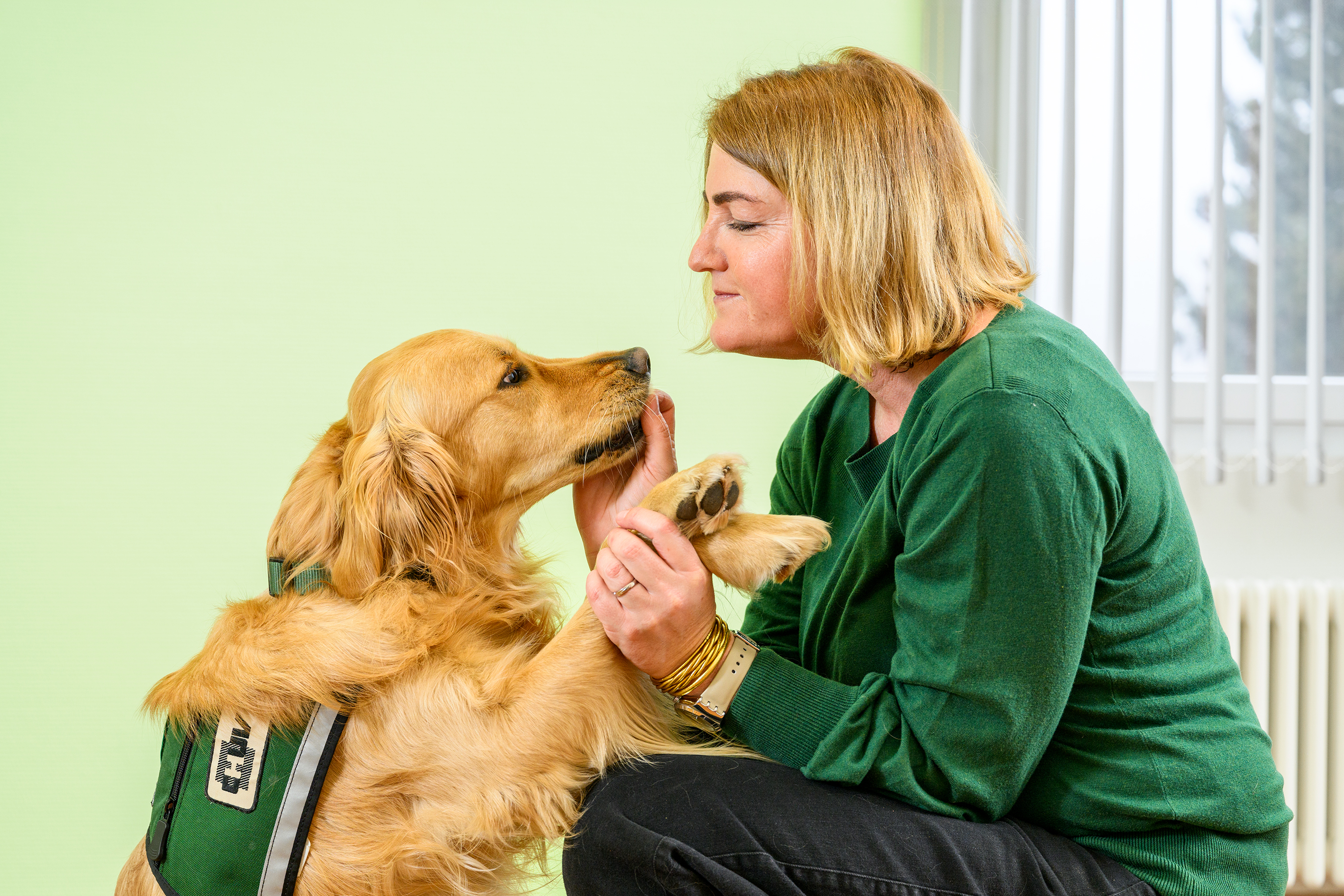
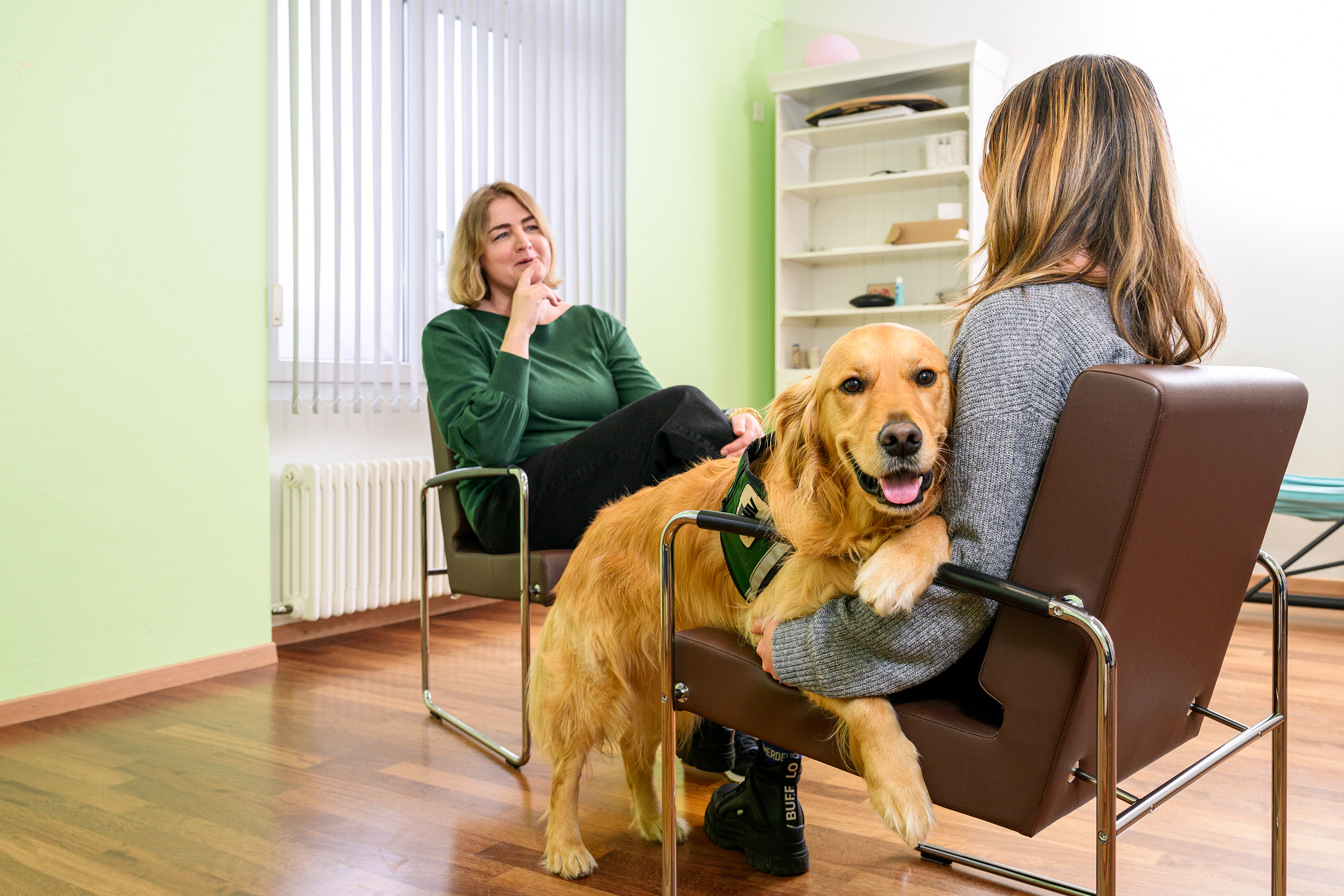
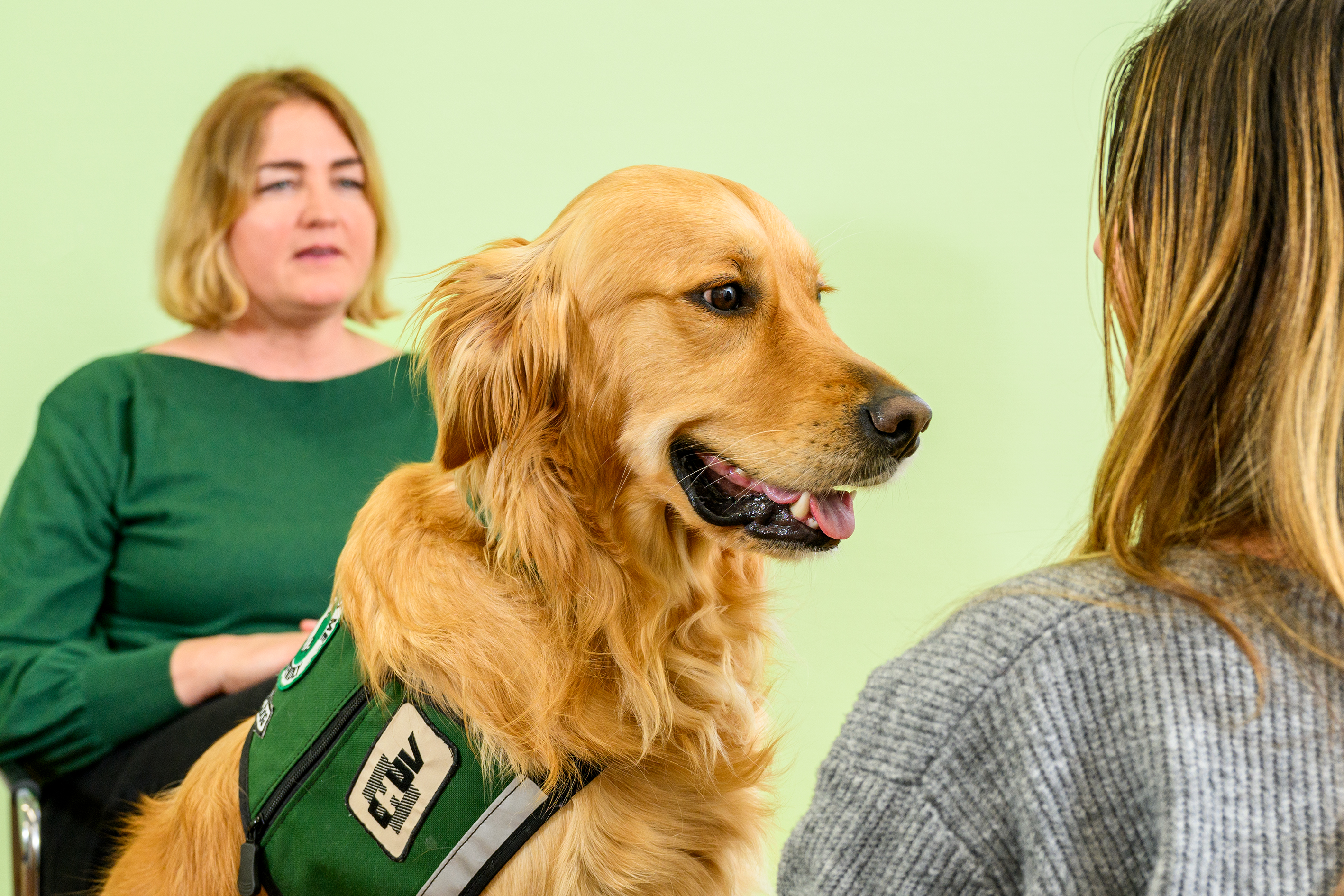
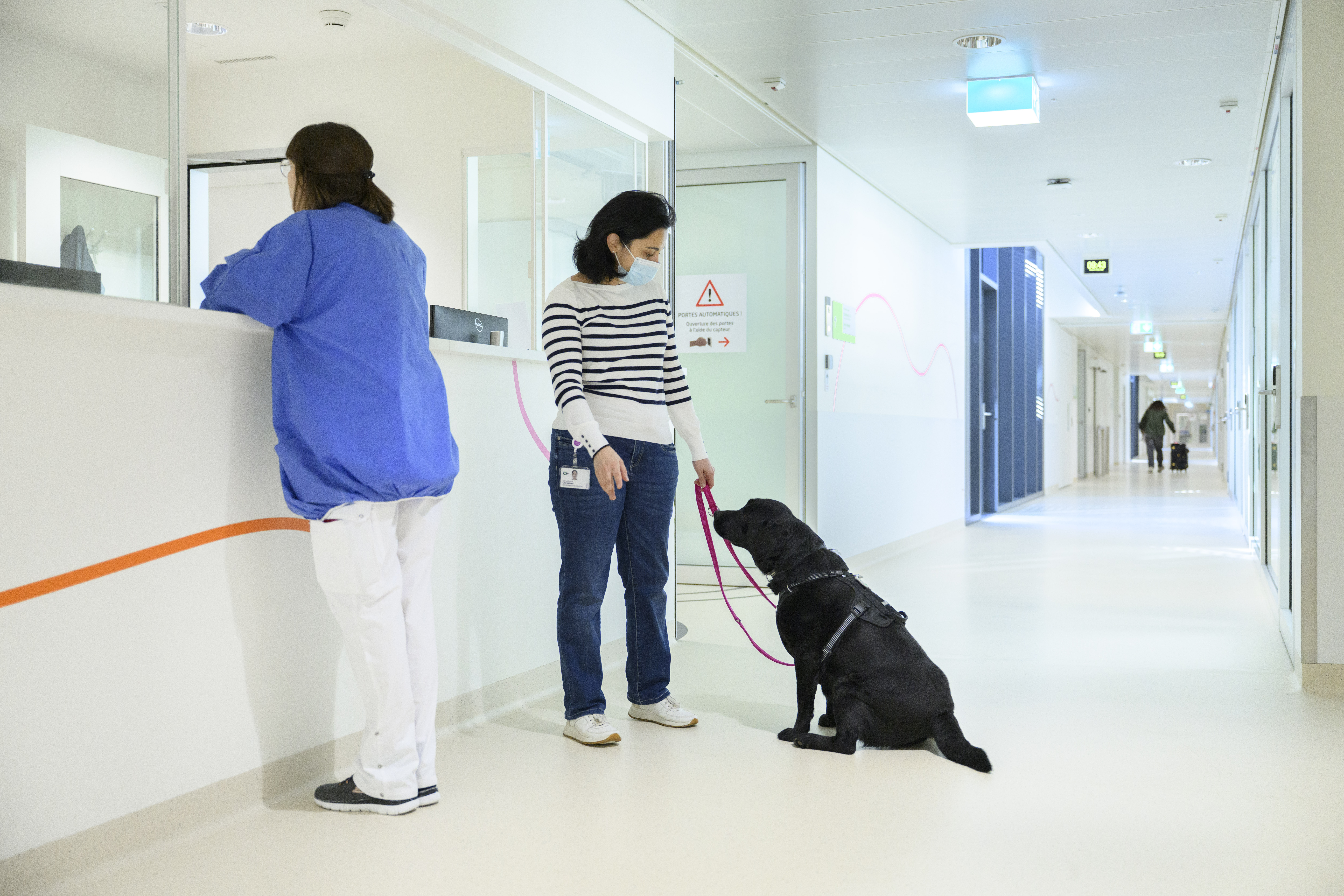
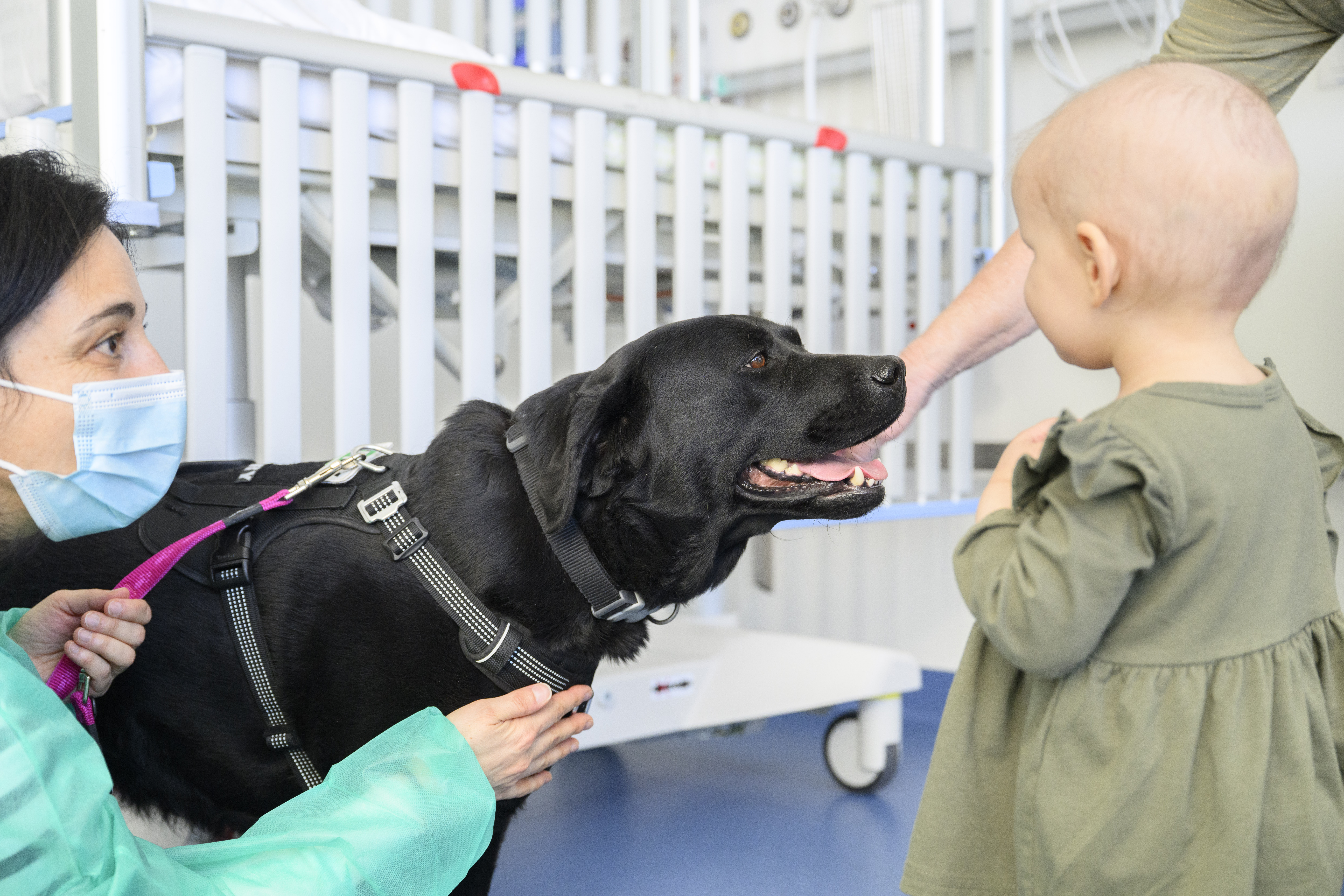
In the corridors and consultation rooms of the CHUV, it is now common to see dogs. Equipped with their own harnesses, Jam and Mary are not mere companions. These two Labradors are part of the care team through animal-assisted therapy (AAT). The duo, composed of Jam and Mélanie Lanz, a psychologist at CHUV specialising in psychiatry, works alongside Mary and Laurence Gani Janssen, a psychiatrist at CHUV working in paediatric haematology-oncology.

"These dogs act as true catalysts," explains Mélanie Lanz. "AAT is designed to support conventional therapies. Contact with an animal has a positive effect on patients' morale, thereby facilitating treatment and improving its effectiveness.” The child psychiatrist and psychotherapist Laurence Gani Janssen also observes the benefits of AAT among her young patients. "The presence of the animal makes it possible to overcome certain blockages and discuss difficult subjects." 

There is currently no official certification for AAT. However, Jam and Mary come from different breeders and have completed several training courses alongside their owners. “Jam was better at the emotional and relational aspects than at pure assistance, such as picking up an object or opening a door. During training, we developed his natural qualities, which are now very useful.”

Special attention is paid to these four-legged therapists to preserve them. They conduct two to three interviews a day, take long breaks to go for a walk, and have a moment of decompression once the day is over, before heading home, where they swap their working harnesses for life as family pets.
1/ The introduction

“Sessions vary for each patient, but the main steps are similar. First, I check with the referring nurse to ensure the patient is ready for the session. Then, I go into the child’s room, without Mary, to introduce myself. I also bring photos of the dog to introduce Mary to the children and parents. She's a 30-kilogram Labrador, so she can seem intimidating at first. This moment also allows me to assess the child’s state and motivation, so I can adapt my session as best as possible."

2/ Meeting the dog

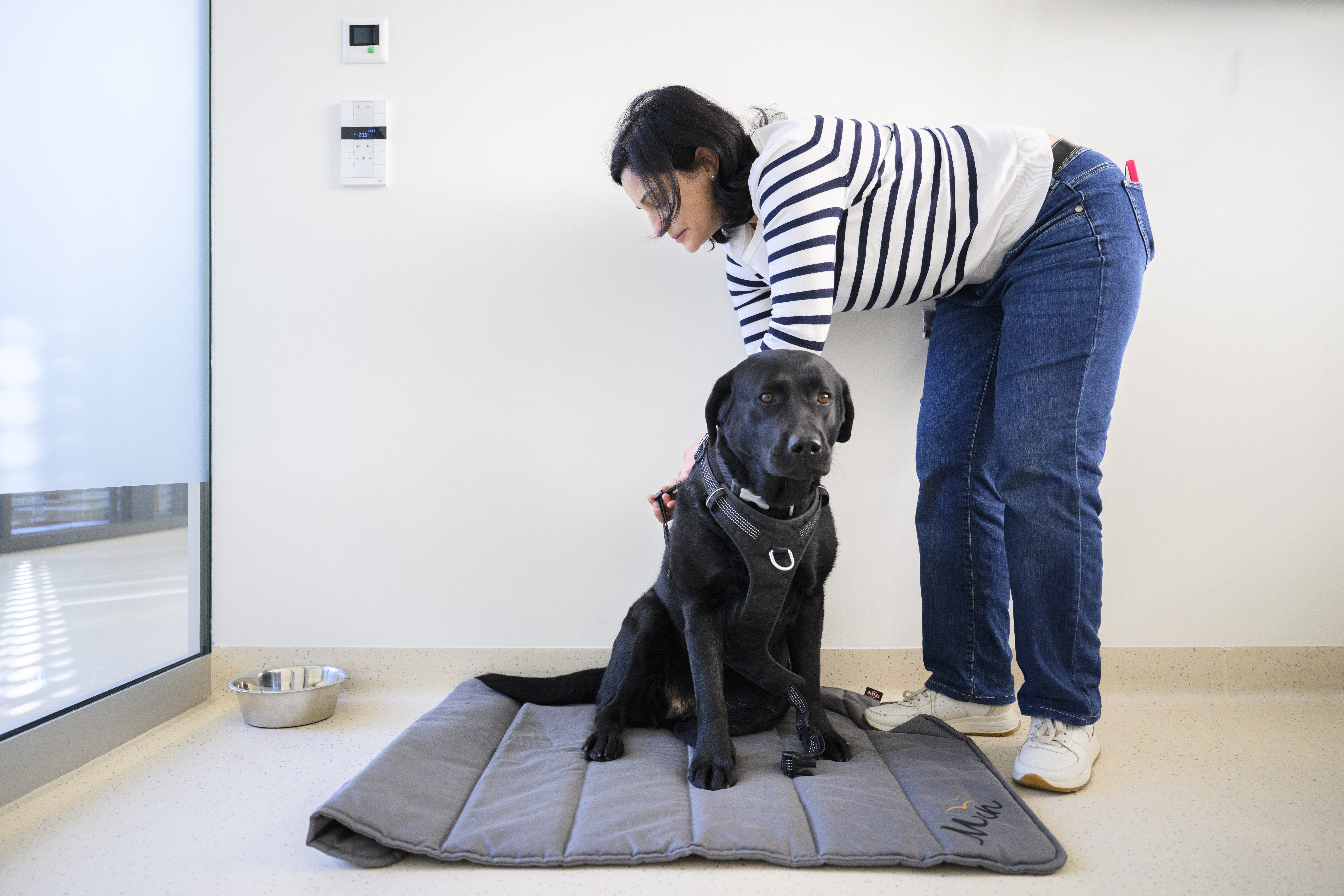
“I pay particular attention to the arrival and departure rituals to structure the sessions and provide a clearly identifiable setting for the children and the dog. Once the introduction is over, Mary enters the scene. If the child is comfortable with it, they remove Mary's harness. I set up her bowl and a blanket so that she can settle in. Mary will sniff around the room and greet the people present. This moment allows the first contact between the dog and the child."

3/ The activities

“There are different stages during an intervention. At first, the dog is directly involved. For example, we can play vet or ball games. After about fifteen minutes of activity, the animal is exhausted and needs a quiet moment. This is an opportunity to play a game of Memory or do arts and crafts. The dog is still present and remains the focus of the session, but is no longer physically involved."

4/ The separation

“The end is as important as the rest of the session, and the separation must be handled smoothly. Little by little, we put away Mary's things and put her harness back on. Often, the children want to take her for a walk around the room. Mary gives children a chance to escape, relax and simply enjoy themselves. I can also leave photos of Mary so that the children can keep a reminder of her. These sessions are emotionally rich experiences, and it is a great satisfaction to be able to follow these therapeutic interventions."

1/ Tackling sensitive topics

“Jam allows me to do my work more efficiently. His presence softens the atmosphere and adds a playful element to the session. These conditions promote connection with patients, and Jam can help people discuss deeply personal issues. People say they feel that Jam doesn’t judge them and that they feel comfortable talking about relationships, breakups or mourning, for example.”

2/ Including the sensory dimension

“The patients will be able to be in contact with Jam, who happily joins in and enjoys cuddles. This sensory reconnection is particularly useful for people who have difficulty expressing their feelings. I observe that this physical connection promotes discussion. Animal-assisted therapy is also very interesting for people with eating disorders. This condition is often associated with dissociation from bodily sensations; the relationship with Jam makes it possible to reconnect with these sensations.”

3/ Sharing secrets with the dog

“AAT allows therapy to be approached in another form during difficult periods or long-term therapy. Jam can serve as an intermediary when a subject is too painful to handle. Patients can whisper their secrets into Jam’s ear, and we can imagine together what Jam, a silent witness, might think. This helps open the dialogue; often, people end up telling us what they whispered to Jam. We can also go for a walk with Jam. We're walking side by side, focused on Jam and what's happening around us, rather than sitting face to face.”

Animals / Anxiety / Children / Psychiatry