
Women’s sports shoes: finding the right fit
Publié il y a 2 mois
11.06.2026
Partager
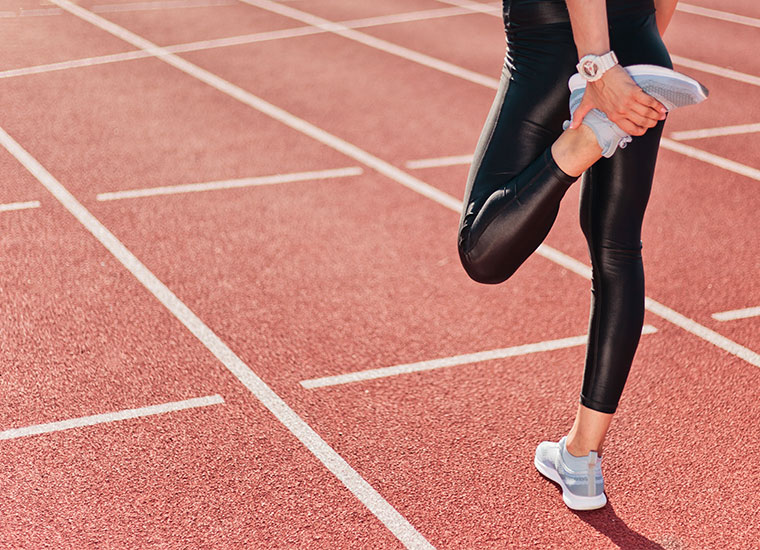
You only have to step into a shoe shop or sports shop to see the variety of models: shapes, materials, colours, and both men's and women's models... But this has not always been the case. For a long time, sports shoes were designed for men. Then came women's models, often simple replicas of their male counterparts, but in smaller sizes.
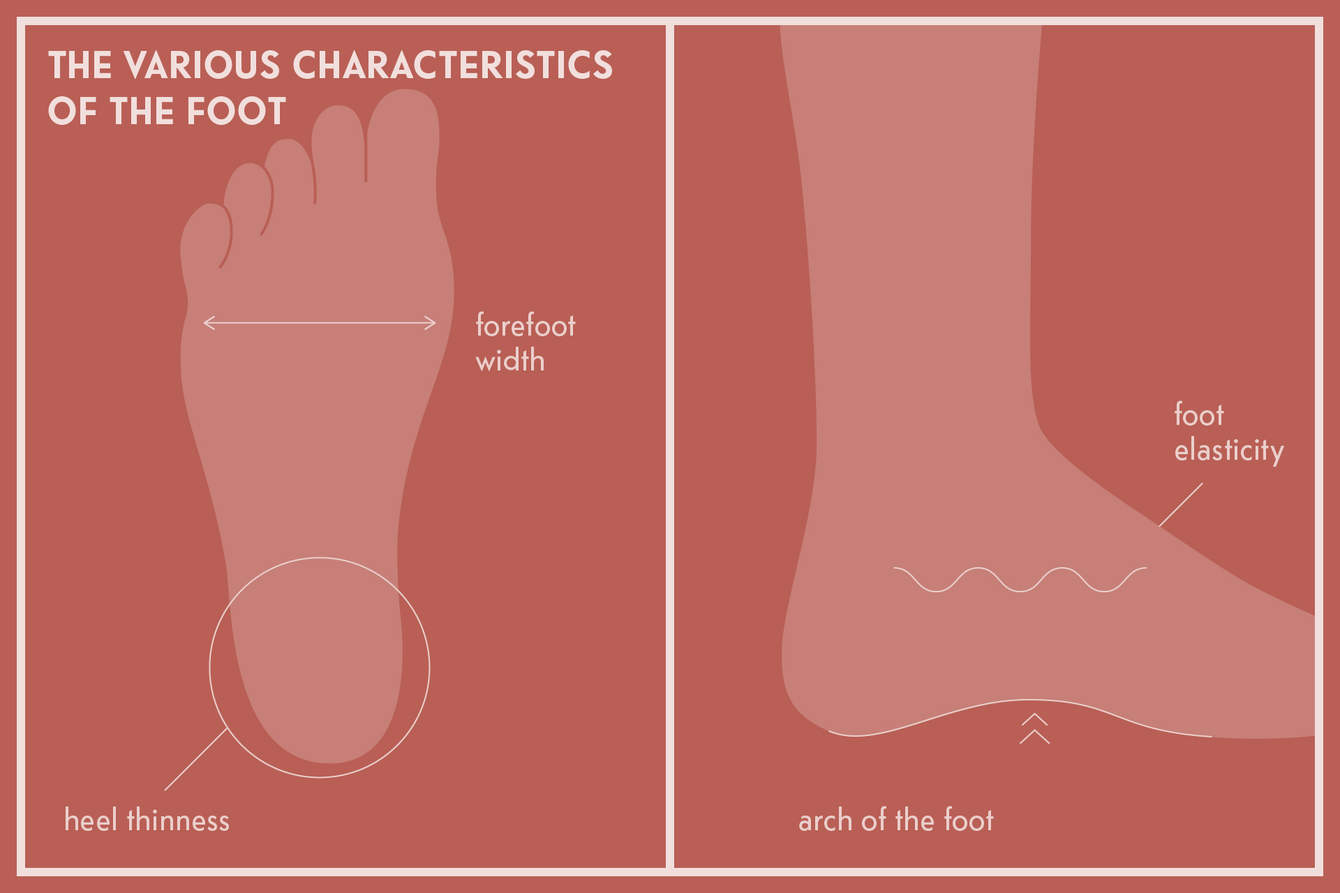
However, male and female feet differ. "In women, the heel tends to be thinner, while the forefoot is generally wider than in men," explains Julien Favre, director of the Biomotion Centre at the Department of Orthopaedic Surgery and Traumatology at CHUV. Morphologically, women tend to have a higher arch, with slightly less support and greater elasticity. This difference is explained by hormonal factors, specifically the presence of the hormone relaxin, which is mainly present in women and peaks during pregnancy and childbirth.
According to the specialist, it has only been about five years since shoe manufacturers have seriously taken into account the specific characteristics of female feet, marking an important change. This greater diversity is beneficial for everyone, because there are also men whose feet have feminine characteristics – and vice versa. Foot shapes vary greatly in both sexes.
Higher risk of injury
Wearing a shoe that is not suitable for your foot certainly causes discomfort, but it also poses injury risks. Before the wider range of options we know today, some women tended to opt for a larger size than necessary to avoid their forefoot feeling too cramped, a choice that causes friction and poor support. Julien Favre reminds us, however, that injuries are not only due to the shoes but also to the level of training, the intensity of movement and each athlete’s individual biomechanics.
It’s not just the feet that can suffer trauma when the shoe is poorly chosen. Pain can occur in different parts of the lower limbs and even in the back. ACL tears, for example, occur when the foot is either too or, conversely, not sufficiently anchored to the ground. This is particularly common in pivot sports that involve rapid changes of direction, abrupt stops, and explosive starts, such as skiing or football. "Women are much more likely than men to suffer such injuries, and this fact is starting to be taken into account in the design of women’s sports shoes." But once again, the shoe is not the only one responsible. To avoid accidents, we need prevention programmes that offer muscle strengthening or better landing mechanics, for example.
So, how do you choose your shoes?
Today, various professionals, such as sports shops or chiropody centres, have a treadmill on which it is possible to walk or run, all filmed by one or more cameras. This allows retail staff to take into account not only the client’s foot morphology but also their walking or running technique. "It’s a very good way to do things," says Julien Favre. “The shape of the foot in a static position is not fully predictive of what will happen during movement. The treadmill provides a more complete view of the situation.” Reviewing the types of shoes a person has worn in the past, whether they were satisfied with them, and any pain associated with those shoes can also provide useful guidance.