


When exercise causes itching
Publié il y a 3 mois
02.04.2026
Partager
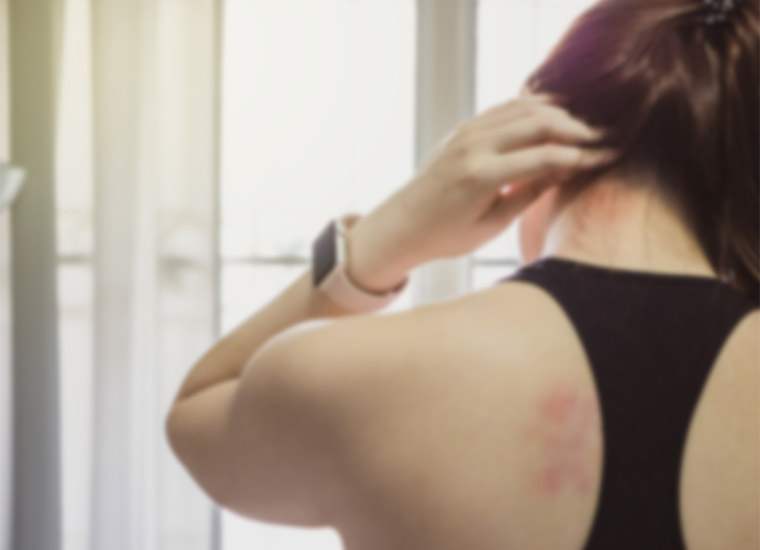
Since 2020, the number of Swiss people taking up running has quadrupled. Enthusiasts are particularly drawn to the simplicity and benefits of this sport. Among these runners, some experience exercise-induced urticaria. Fabien, 27, is an amateur runner, a keen trail runner and a mountain sports enthusiast. “It was a very unpleasant sensation, with itching and redness, especially on the arms and legs. That never stopped me from exercising, but when it happened in the middle of a race, it was clearly not enjoyable for the rest of the session.”
Dr Denis Comte from the Department of Internal Medicine at CHUV, who specialises in internal medicine, immunology, and allergy, discusses a very common condition, especially among young athletes engaged in high-intensity sports. “It occurs mainly during a rise in body temperature and sweating, often at the start of exercise, and causes red patches that itch intensely.” Although usually harmless, it can become troublesome when it occurs frequently during exercise. Good news, however: there are simple solutions that do not require you to stop exercising, says the specialist.
Urticaria: why sports can trigger it
Urticaria is an inflammatory skin reaction that causes redness, itching, and sometimes swelling. It occurs because mast cells, which are white blood cells in tissues, release histamine. Although this process is similar to that in an allergic reaction, it is triggered by different factors.

“When the skin is irritated, symptoms tend to worsen, often at pressure points, even wearing a phone holder around the arm can cause plaques,” notes Dr Comte.
There are different types of urticaria that can occur during exercise. The most common among athletes is cholinergic urticaria, which is linked to increased body temperature and sweating. True exercise-induced urticaria or anaphylaxis is less common. Cholinergic urticaria can also be triggered by other activities, such as using a sauna or eating spicy foods. Dermographism, a type of urticaria caused by friction, can also affect even highly trained athletes. “When the skin is irritated, symptoms tend to worsen, often at pressure points such as shorts or leggings,” notes Dr Comte. Even wearing a phone holder around the arm can cause plaques. Breathable clothing can help reduce irritation.
Running without scratching: it’s possible!
To continue running comfortably along rivers or in the mountains, certain precautions are necessary. “Prevention plays a central role,” says the expert. The key: a gradual introduction of physical activity, such as warming up properly and avoiding overly sudden efforts. And if the symptoms persist? “In some cases, taking antihistamines before the activity can help reduce or even eliminate symptoms altogether.”
Fabien suffered from exercise-induced urticaria for nearly two years. Running and trail running—both in summer and winter—triggered his symptoms. To reduce the frequency of attacks, Fabien adapted his routine. “I paid attention to hydration, effort management, and extreme temperatures. In summer, I stayed in the shade and used sunscreen.” Over time, with preventive measures, the symptoms decreased.
For him, as with other runners affected by urticaria, the key is not to stop exercising but to better understand his body. Dr Comte emphasises: “If one feels the need, one should not hesitate to consult. Generally, people who seek advice are quickly reassured and can continue normal sporting activities, whether amateur or at a high level.”