

Exercise, a key ally during pregnancy
Publié il y a 5 mois
08.05.2026
Partager
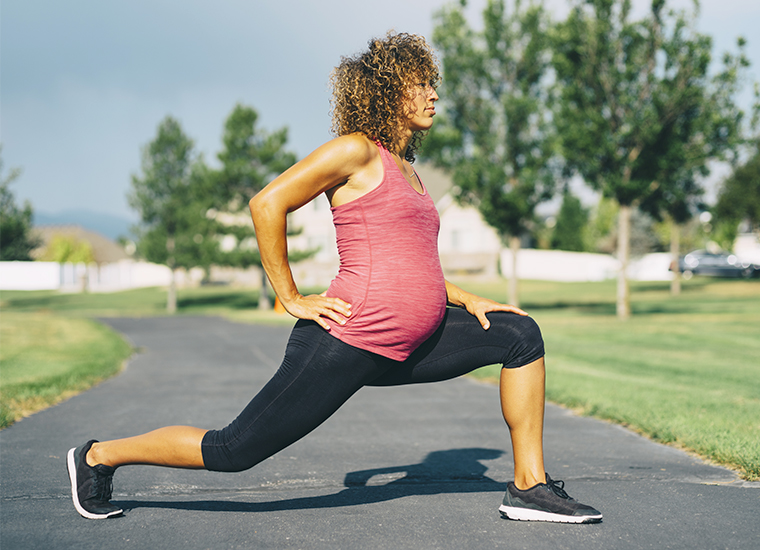
"For decades, as a precaution, health professionals have advised pregnant women to slow down or stop exercising," notes Mathilde Hyvärinen, a specialist in adapted physical activities and a teacher at the Haute Ecole de Santé-Vaud (HESAV). Now, on the contrary, we encourage exercise during pregnancy. Many studies have shown the benefits of regular physical activity for pregnant women. Engaging in physical activity that causes mild breathlessness for 2.5 hours a week or more contributes to mental and physical well-being. This practice reduces the risk of developing hypertension, gestational diabetes and depression. Frequent movement also promotes better sleep quality, supports weight management and helps support a natural birth.
For the foetus, exercise is also not dangerous, as several recent studies have shown. "It is physical inactivity that is problematic, with the risk of complications increased by about 40%. Exercise does not increase miscarriages in the first 20 weeks; it decreases the risk of premature delivery and promotes oxygen and nutrient supply for the baby.' The new Swiss recommendations for sports practice were issued in 2018.
But misconceptions, inherited from outdated medical advice and fuelled by a patriarchal view of women as "fragile", are hard to dispel. “Amateur sportswomen told me about negative comments they heard during their pregnancy, at their fitness centre, or from people around them, for example. They felt guilty and were afraid of making a wrong move or hurting their baby." On the professional side as well, others' opinions can weigh heavily. "I often felt people saw me as reckless for continuing to exercise while pregnant," confided Sarah Atcho-Jaquier, a sprinter from Vaud, to the media outlet Blick. “But my goal was to become living proof that you can be pregnant, continue exercising, and everything goes smoothly right through to birth, without complications.”
Exercise and pregnancy: the recommendations
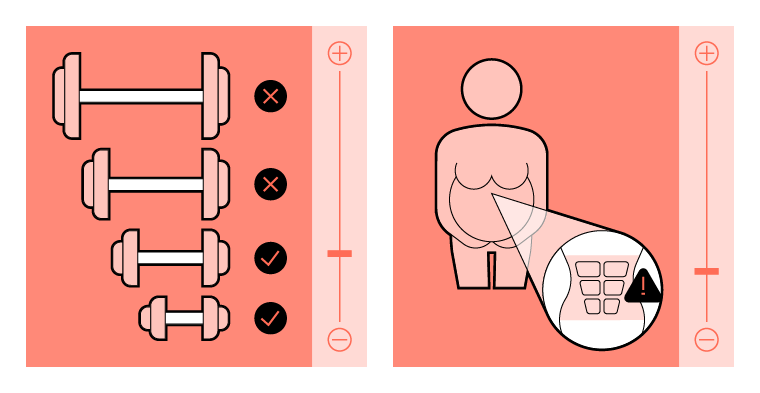
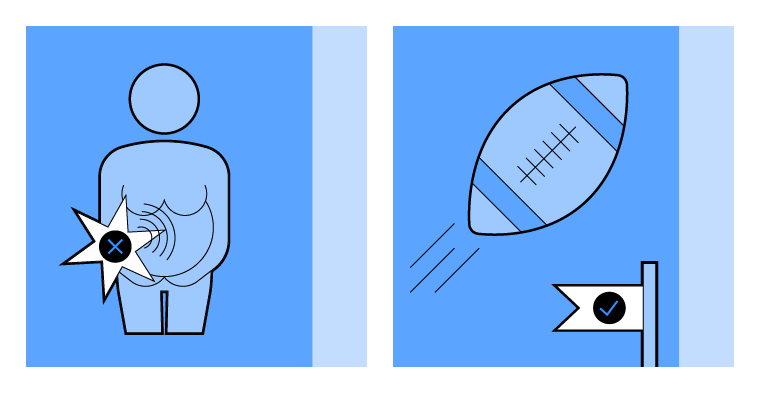
One question regularly asked by pregnant athletes in Mathilde Hyvärinnen's classes is whether any sports should be banned. The answer is no, except for scuba diving. Tips.
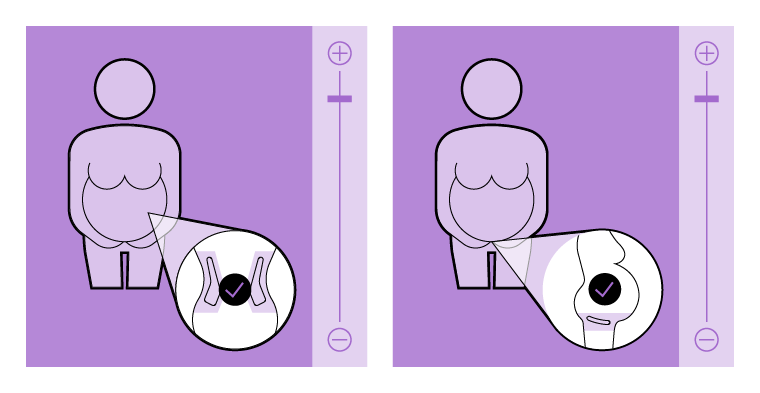
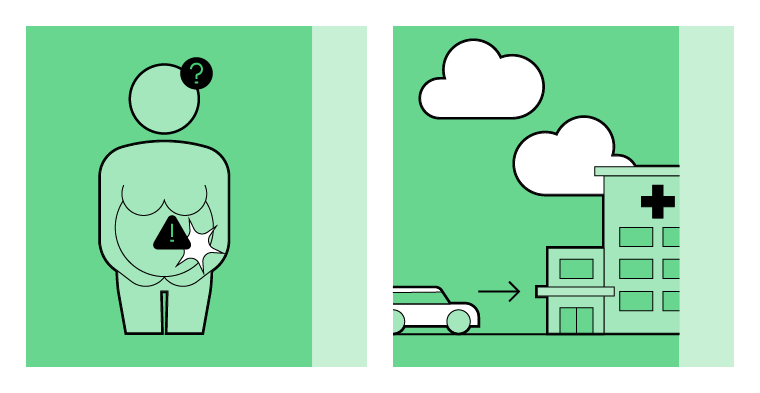
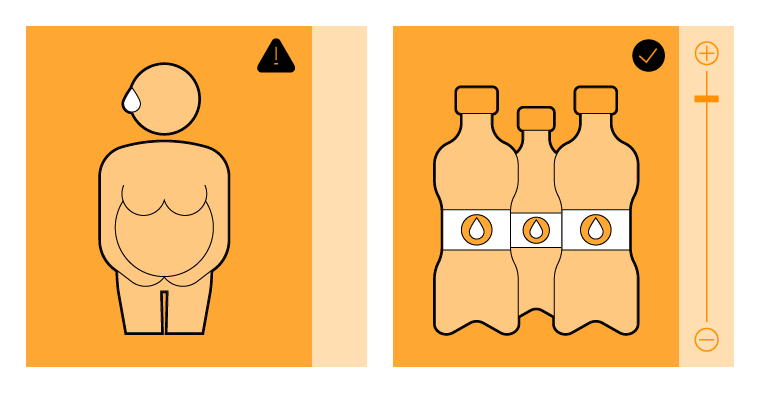
Staying active through each trimester
Throughout pregnancy, some symptoms may arise, making exercise more difficult. In the first trimester, for example, nausea, vomiting, fatigue or mood changes are common. However, it is important for pregnant women to find ways to move every day, as these pregnancy-related symptoms can be mitigated. The mother-to-be may also experience increased shortness of breath during the first months. “This can serve as a guide: if, after a break, she regains her breath within five minutes, it indicates that everything is normal and that this shortness of breath is beneficial, so she can continue exercising at that level.”
In the second trimester, other symptoms may emerge, such as back or joint pain. "Here, too, moving actually helps to reduce them." Furthermore, a lying position on the back that has become unpleasant (the child pressing on the vena cava) or balance disorders may require adapting your activity to reduce discomfort and the risk of falls.
During the third trimester, physical discomfort, balance problems and fatigue often worsen. It can then be wise to adapt your practice, for example, by favouring shorter sessions and incorporating more muscle-strengthening exercises to support the body.
Adapting activity to individual needs
"To guide these active pregnant women, we had the idea of writing a book with midwife Pauline Thomas, CHUV gynaecologist Hélène Legardeur, and professor at the universities of Lausanne and Geneva, Bengt Kayser," explains Mathilde Hyvärinen. It's titled I move before, during, and after my pregnancy. We have also reviewed the information leaflets distributed to CHUV patients. I also offer free sports classes in Lausanne and online as part of the Move Your Baby* programme.
The book is not only aimed at active women. It also encourages future mothers to become active. "We’re talking about at least 2.5 hours a week to get all the benefits, but even walking 15 minutes every now and then is positive." And no one should be forced to do any particular exercise. "Every pregnant woman can move according to her abilities and desires."
In the same way, there is no reason to blame future mothers who cannot exercise. In some cases, doctors may recommend rest and stopping certain activities, such as in severe respiratory or heart disease, type 1 diabetes, or a threat of premature birth. However, daily movement and light-intensity activities remain beneficial in mitigating the negative effects of a sedentary lifestyle. For example, when women are hospitalised at the CHUV, they are encouraged to move for at least 30 minutes a day, get up at least twice an hour, and participate in appropriate physical activity sessions twice a week.
TO GO FURTHER
The CHUV webpage Moving during and after pregnancy
The book Je bouge avant, pendant et après ma grossesse published by Planète Santé
The physical activity program Move Your Baby by HESAV