



Losing Your Mind Over Sugar
Publié il y a 2 mois
19.08.2026
Partager
The effects of a diet high in sugar — including weight gain, diabetes and cardiovascular disease — are well known. What is less well known is the effect excessive sugar consumption may have on the brain and its potential to make it more vulnerable. Researchers at the University of Basel have investigated this relationship by studying the effects of glucose on mental health.
Added Sugars in the Spotlight
It is crucial to distinguish between different sources of sugar. The main risks are associated with added sugars found, for example, in soft drinks, sweets and processed foods. The sugars naturally present in fruit come with fibre, which slows their absorption and helps prevent sharp spikes in blood sugar. “Added sugars are like putting tyres in a boiler designed to burn wood,” explains Benjamin Boutrel, head of the Neurobiology of Addictive Disorders Research Unit at CHUV. “They burn poorly, leave residues and clog up the system.”
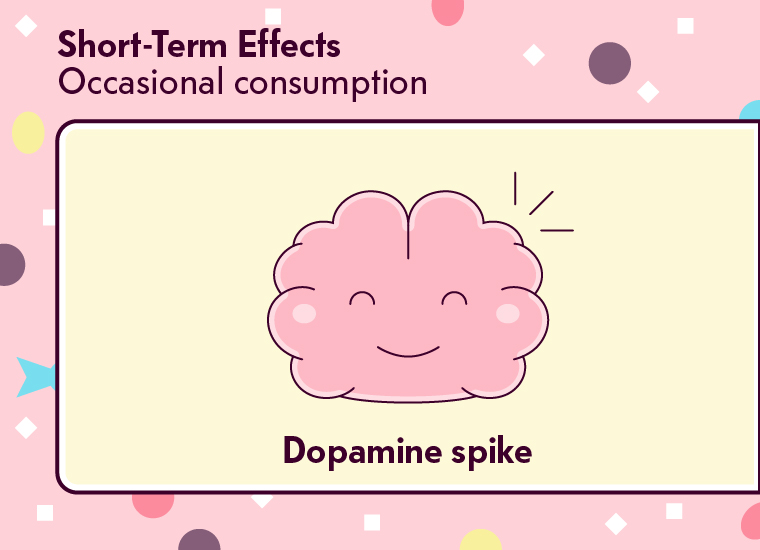
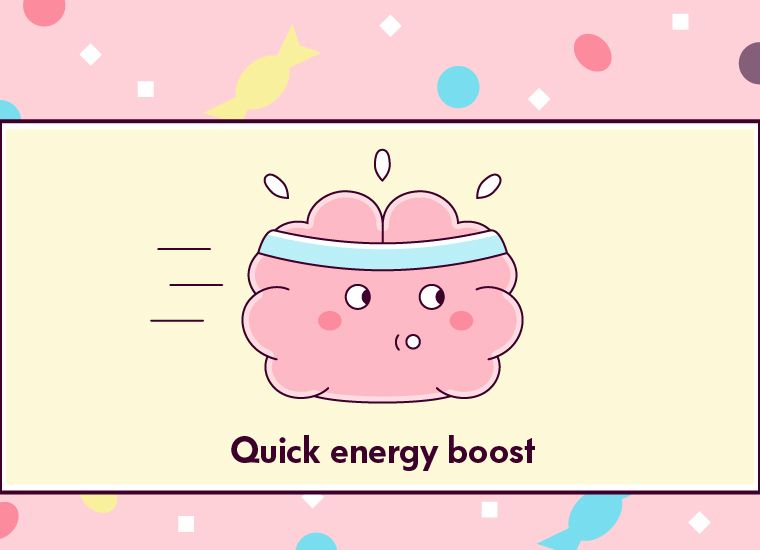
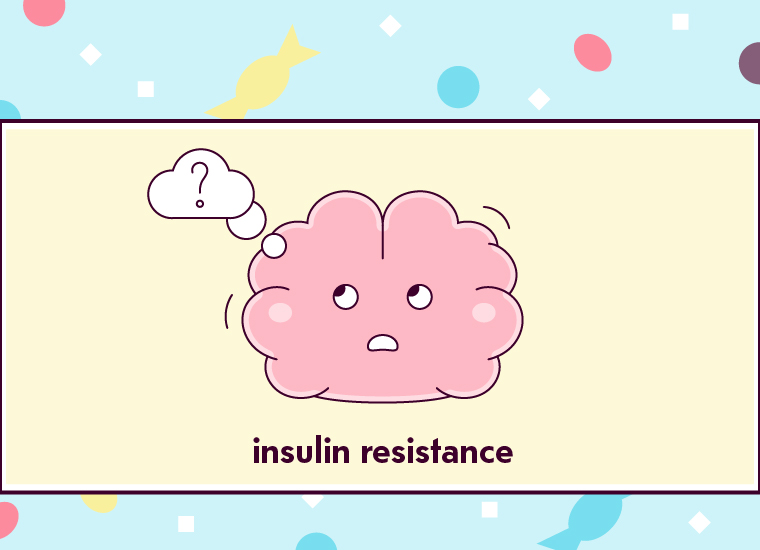
The type of sugar we consume is particularly important because the brain consumes around 20% of the body’s energy, much of it in the form of glucose from food. The brain is constantly interacting with hormones, blood vessels, the liver and the gut microbiota, maintaining a delicate balance. Excessive sugar intake can disrupt this balance and, over time, impair cognitive function. High blood sugar can lead to insulin resistance, and insulin plays a key role in the nervous system. “Insulin helps neurons communicate with one another and supports the cells that protect the brain, known as glial cells,” says Kevin Richetin, head of the Neurobiology of Ageing Research Unit at CHUV.
Insulin also supports memory by maintaining brain plasticity, which is vital for learning. If insulin function is impaired, toxic proteins may accumulate, including beta-amyloid and tau, two proteins associated with Alzheimer’s disease, one of the most common forms of dementia.

Sugar Reduction as a Therapeutic Approach
“The dose makes the poison,” Benjamin Boutrel reminds us. Eating sugar occasionally does not lead to dementia; the brain is able to adapt. During prolonged fasting or on a ketogenic diet, which involves drastically reducing carbohydrate intake, the brain can draw on alternative sources of energy. Researchers are now exploring whether reducing sugar intake could help prevent dementia. The German Brain Foundation is examining this question, including the role of processed sugars. Similar dietary approaches have already proved effective in other conditions, including childhood epilepsy.
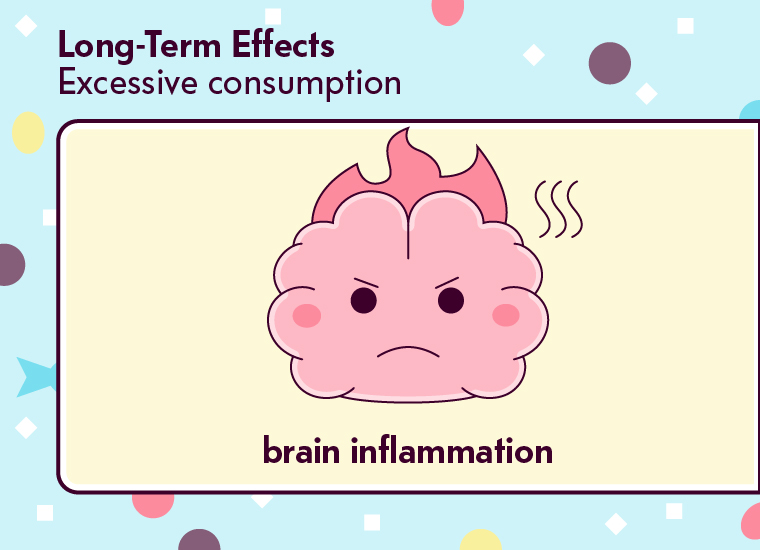
Dementia research is now also looking closely at the gut microbiota, which appears to differ in people with cognitive disorders. “Analysing microbial signatures in saliva could pave the way for early, non-invasive screening,” notes Kevin Richetin. A diet rich in added sugars can disrupt the gut microbiota, reduce its diversity and promote inflammation, thereby disrupting the gut–brain axis. Diet may therefore be an important factor in preserving long-term brain health.
TO GO FURTHER
Read the Tagesanzeiger article on the University of Basel project (in German): www.tagesanzeiger.ch/zucker-und-ernaehrung-suesses-schadet-der-hirngesundheit-990313491036