


DEHP, an endocrine disruptor
Publié il y a 3 ans
18.12.2023
Partager
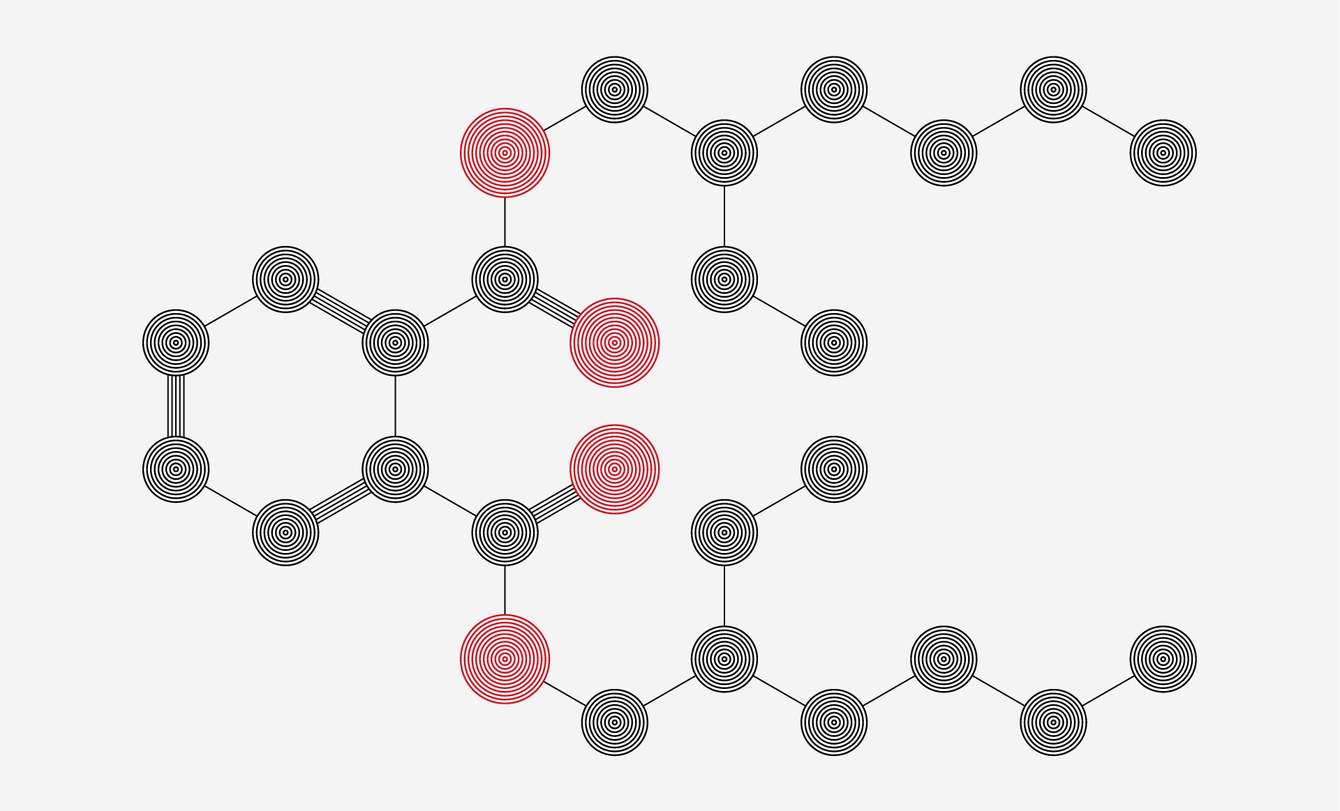
A production peak in the European Union was reached in 1997, with 595,000 tonnes of plastics produced. DEHP was among the most widely used endocrine disruptors until 2014. “But it was in 1999 that the withdrawal of this plasticiser from the European market began. The Federal Office of Public Health has even banned it in childcare articles and PVC toys for children under 3 years old since 1986," recalls Céline Fischer Fumeaux, deputy physician in the CHUV neonatal unit. Why? Because scientists have established that its presence in various objects, such as shower curtains, irrigation pipes, diapers, food films and containers, blood bags, catheters, and even gloves and other medical equipment, affects the endocrine glands, potentially harming fertility in particular. Today, a European directive bans DEHP in all toys and childcare articles intended for children, as well as in cosmetics. “DEHP is considered to be carcinogenic, mutagenic or toxic for reproduction. The WHO classified it as an endocrine disruptor since 2012. It is also qualified as a feminiser because its presence has the effect of reducing the synthesis of testosterone. DEHP can also be found in the liver, spleen, kidneys, brain or in the blood,” explains Céline Fischer Fumeaux. DEHP does not bind to the PVC with which it is combined; instead, it migrates to the PVC surface and then to the environment.
That is why DEHP remains one of the organic pollutants found at high concentrations in sediments. It is also present in soils, water, and air. Exposure to this pollutant is chronic and ubiquitous. Today, DEHP is still found in PVC used in certain medical devices, such as catheters, ventilation tubes, and blood bags. “We sometimes use them in neonatology, but only when there is no equally effective alternative and the young patient’s life depends on it. Otherwise, our policy is to avoid them,” adds Céline Fischer Fumeaux.