A Bank for DNA

Carole Extermann

Publié aujourd'hui

28.04.2026

Partager

Intended for research, the samples stored in the CHUV’s genomic biobank come from patient donations.

At the CHUV, there is a very special bank: the genomic biobank (BGC), an extremely secure facility that stores DNA samples for research. "Inaugurated in 2013, it provides a comprehensive solution for researchers, helping them with their projects and allowing them to save considerable time," explains Elodie Ristorcelli, head of the laboratory that manages the biobank. Indeed, in research, the collection phase comes with significant logistical challenges, ranging from recruiting participants to collecting and managing samples (preparation, quality control, preservation). The biobank holds a substantial number of samples: more than 40,000 patients have agreed to share their DNA. When patients are admitted to the CHUV, they receive an information brochure on general consent, in which they can indicate their willingness to participate in the collection. An additional tube is then taken during a routine blood test. The samples are mainly used to study the influence of genetic factors on diseases. "This is the case in oncology, where questions of genetic predisposition are central to research, as well as in many other specialities such as pharmacology, infectious diseases or cardiology." Take a guided tour in the heart of the CHUV genomic biobank.
1/ The samples

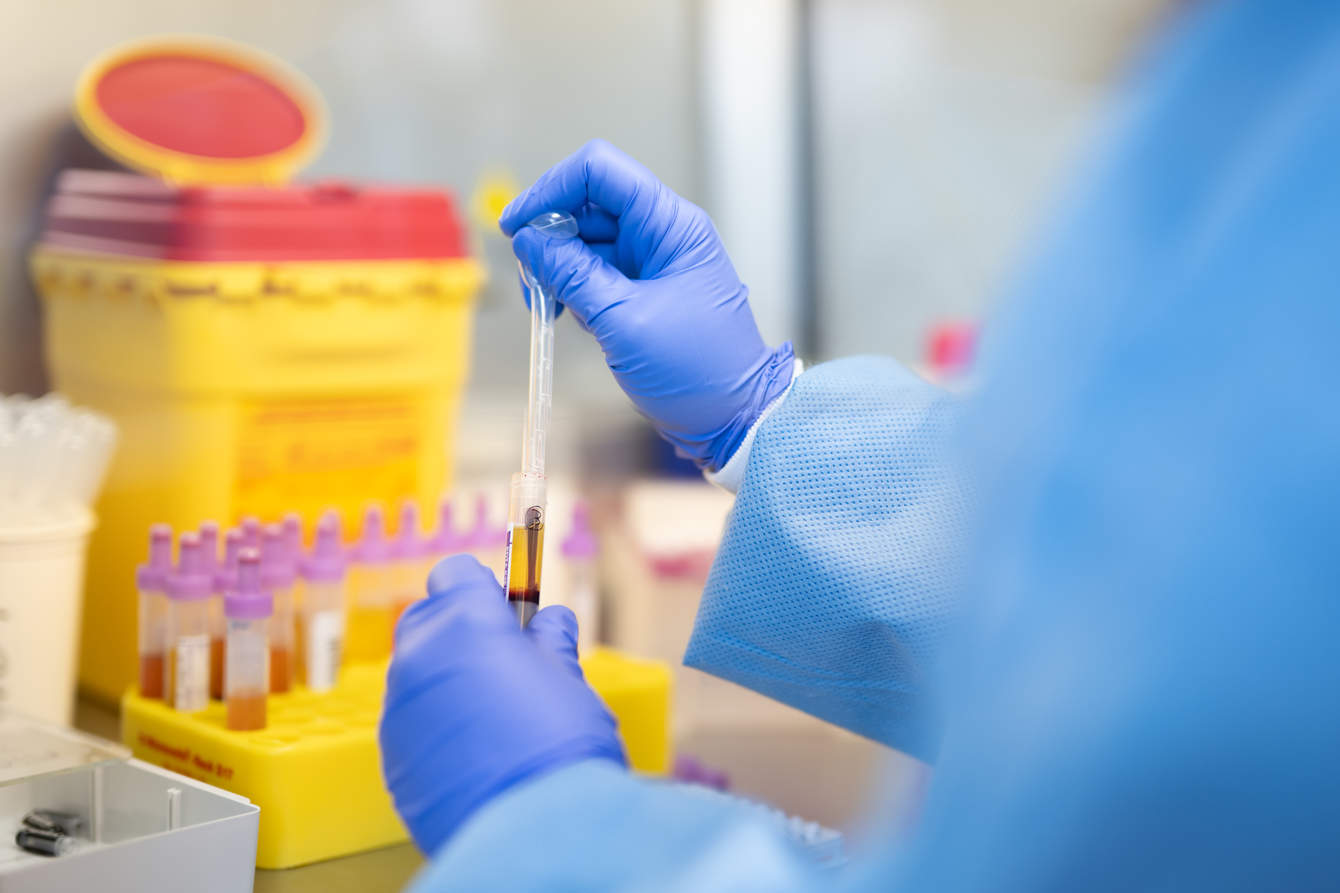
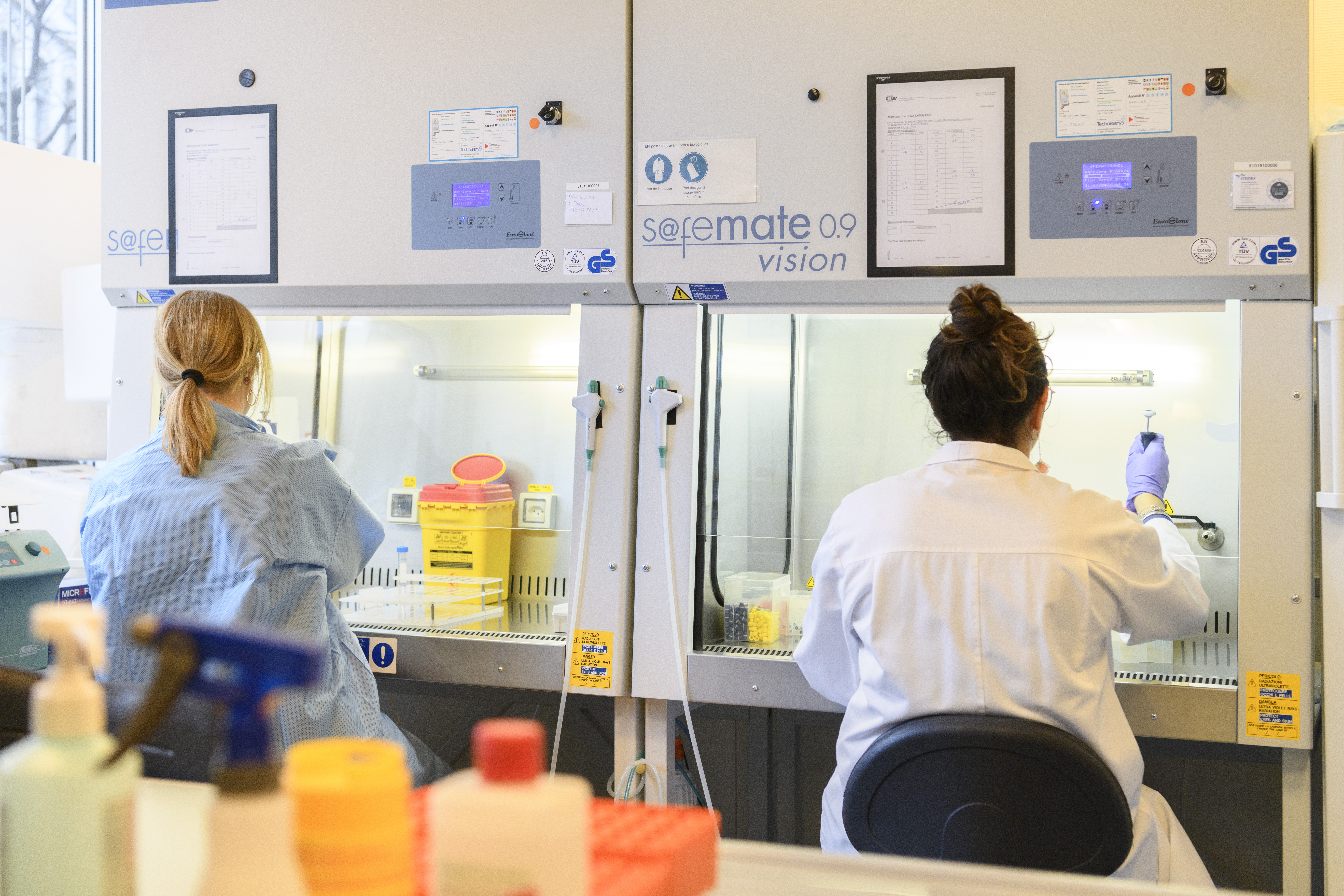
Blood tubes are collected from patients who have agreed to donate blood for CHUV genomic biobanking. Fume hoods protect the team and help prevent sample contamination during handling.

2/ DNA extraction

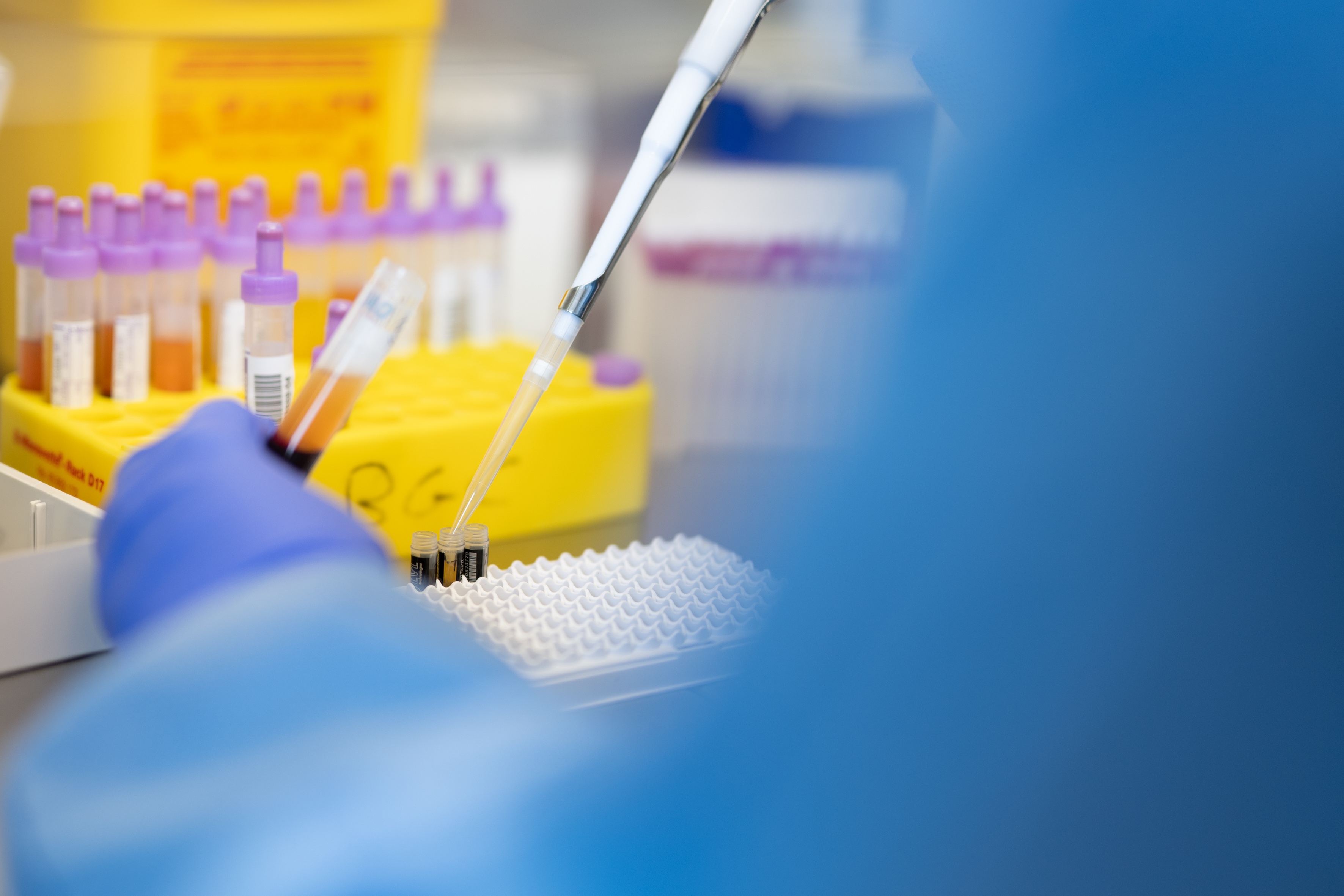
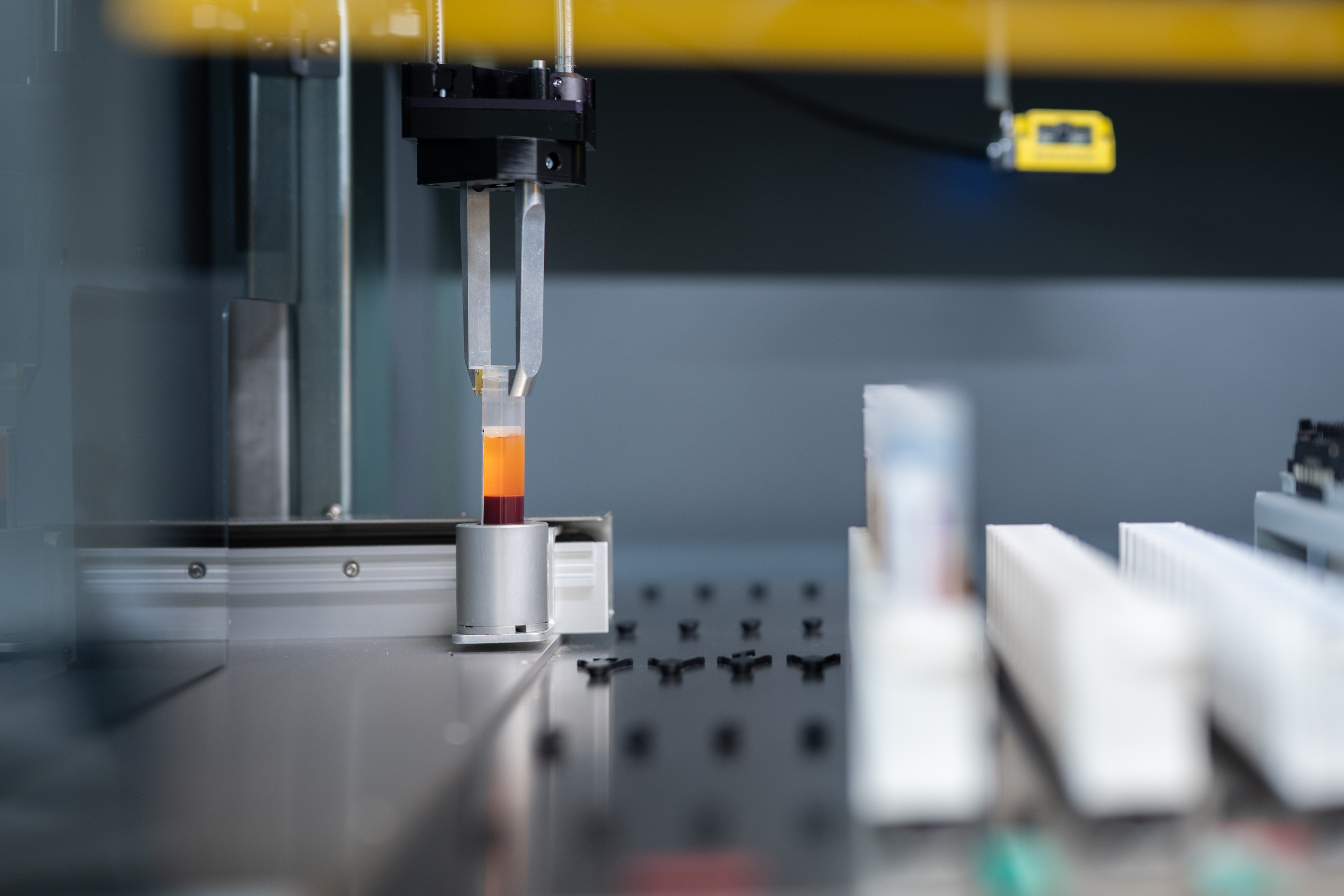
The components of blood are separated by centrifugation, and the intermediate layer containing white blood cells is then isolated using an automated system. An essential step: DNA can be extracted only from white blood cells.

3/ Manual processing

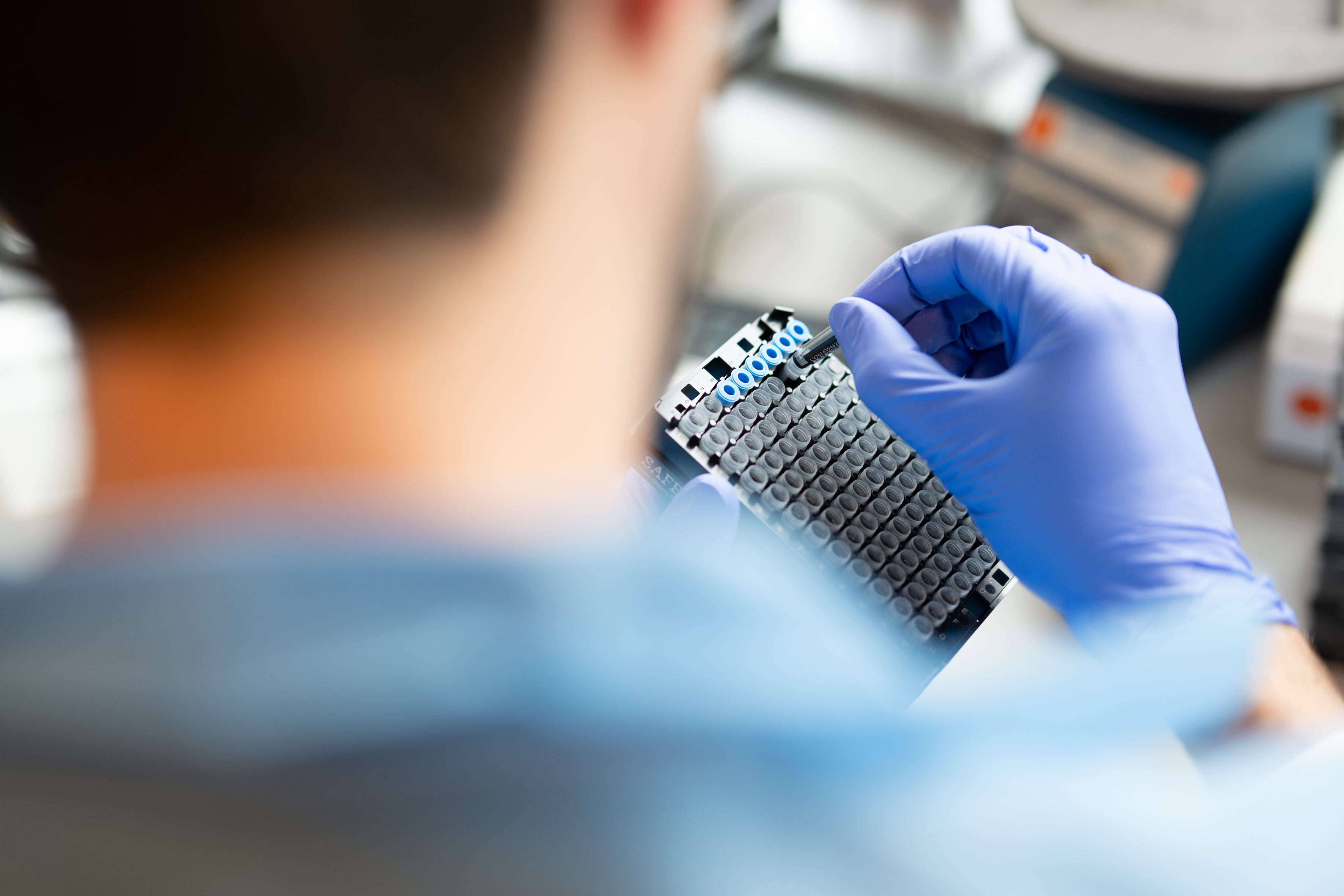
The leukocyte layer (white blood cells) can also be isolated manually by biobank staff using a pipette.

4/ Quantification

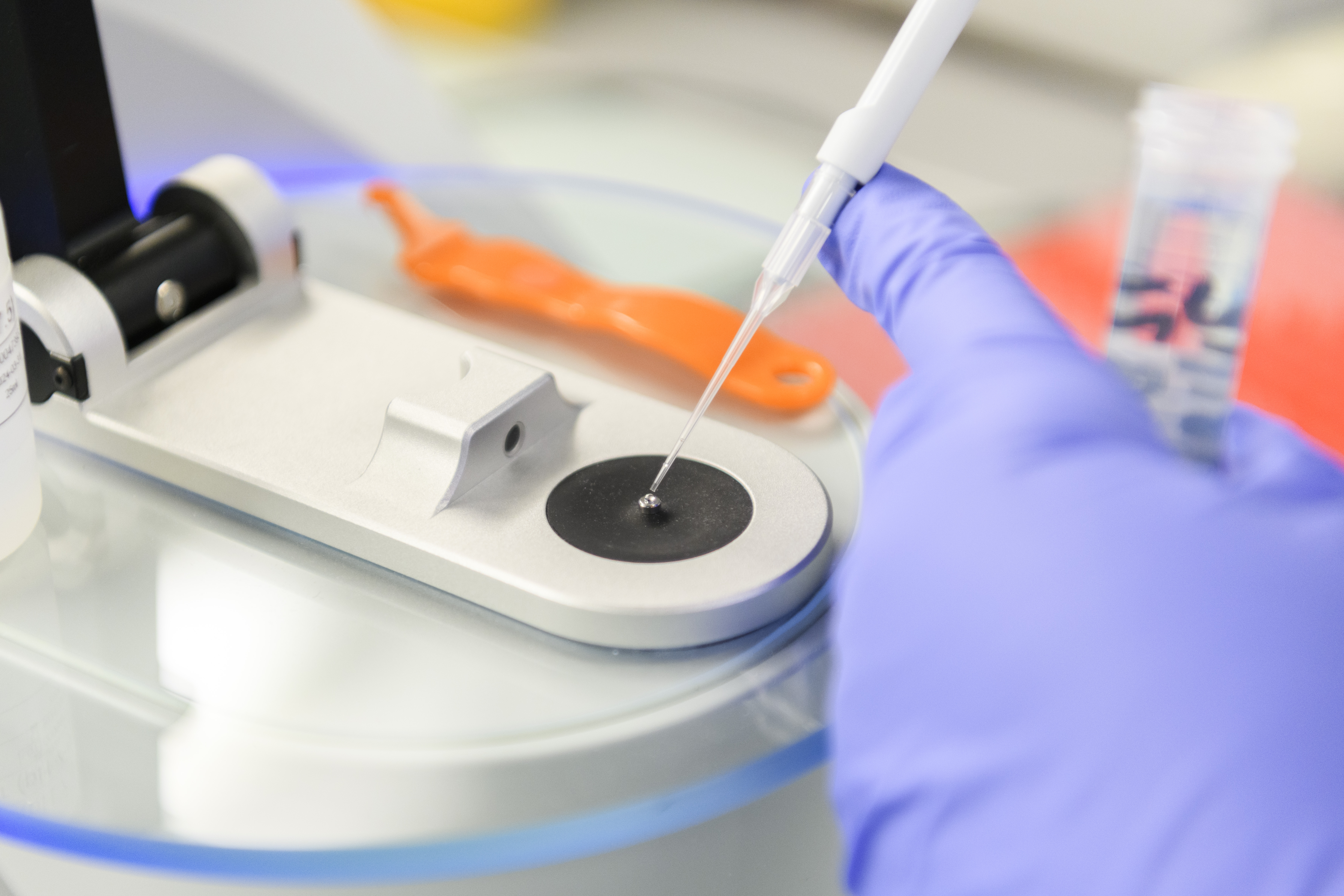
The DNA must be quantified. To do this, a single drop is sufficient. Its quality is also checked.

5/ Data entry

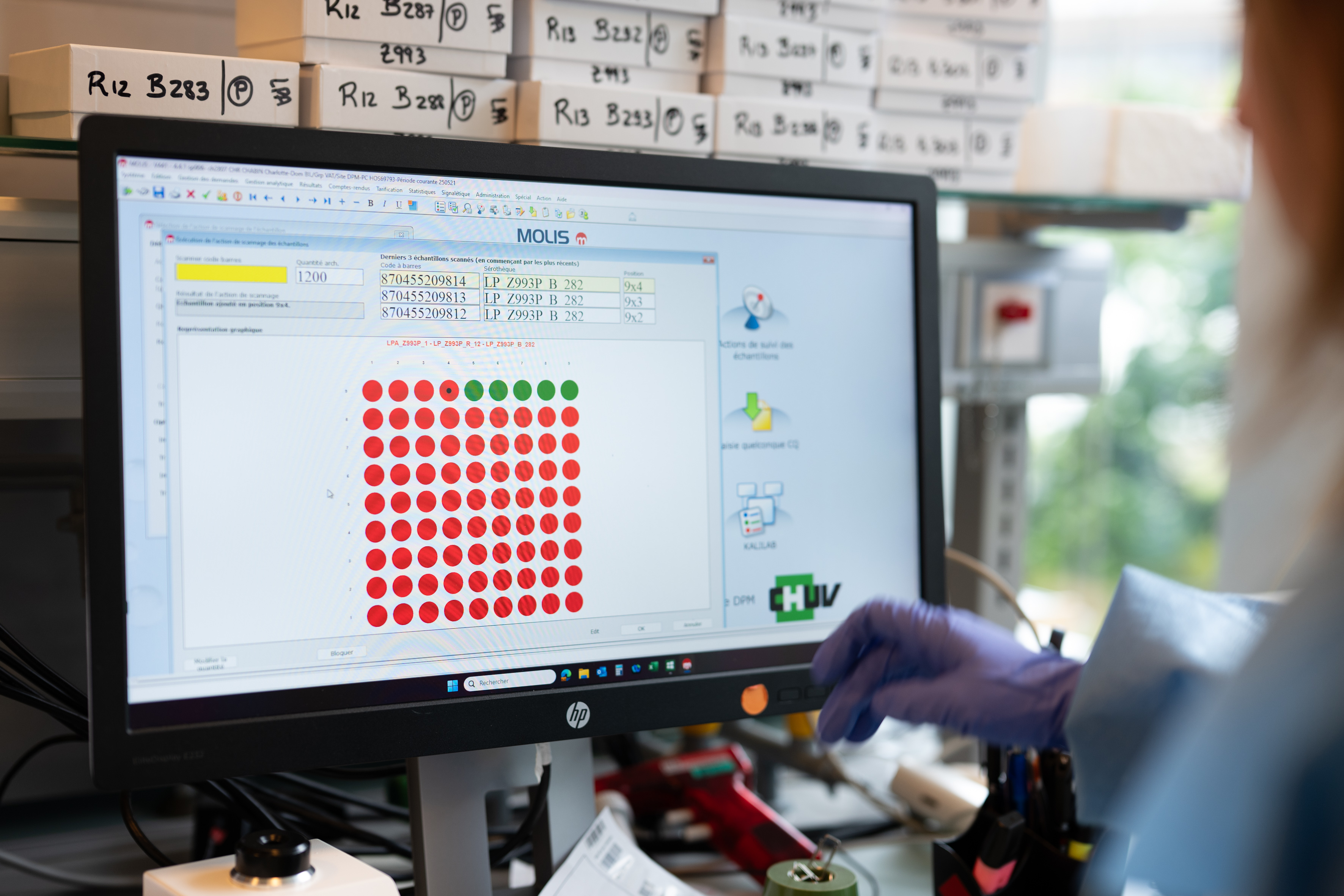
Data on the sample, such as its volume, concentration, and quality, is recorded in coded form and stored in a dedicated, secure database.

6/ The storage

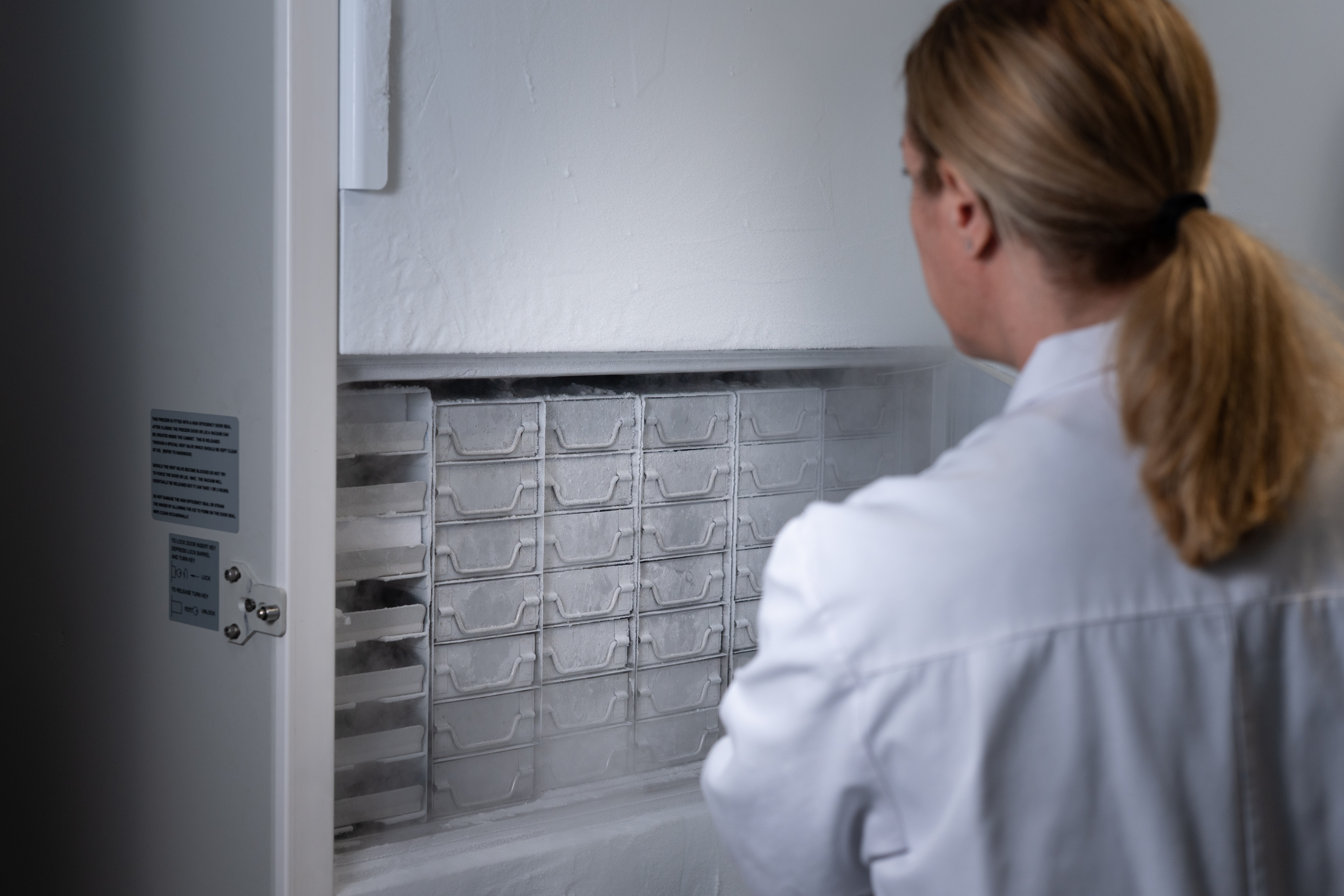
The samples are stored in secure -80°C freezers. These units are constantly monitored to enable rapid intervention in the event of failure.

7/ Research

Researchers turn to genomic biobanks to carry out their research projects. In combination with clinical data from donors, samples are selected according to specific criteria to answer the research question. The amount of DNA required to carry out analyses is released under strict conditions once the project has been approved by the competent ethics committee and the biobank scientific committee.

To go further

See the CHUV biobank's website:
chuv.ch/bgc