

GHB: BETWEEN MYTH AND REALITY
Publié il y a 4 ans
12.12.2022
Partager
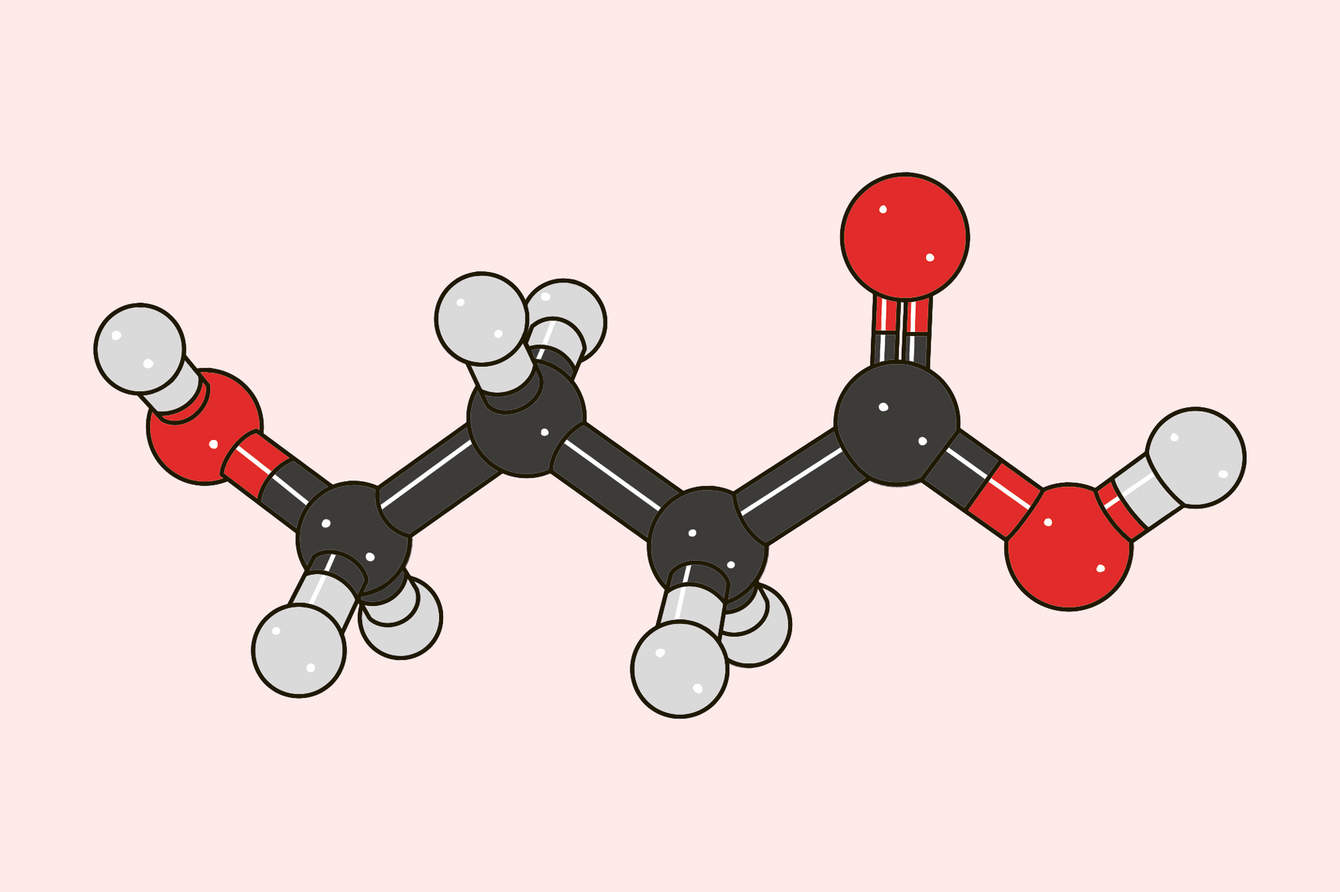
GHB was discovered by the Russian chemist Alexander Zaytsev in 1874. It would not resurface until the rise of neurobiology in 1961, owing to its similarity to the neurotransmitter GABA, which reduces neuronal activity. At low doses, GHB mimics GABA and blocks its inhibitory action. As a result, the neurons that produce the pleasure molecule dopamine are stimulated. "The sought-after recreational effects are euphoria, relaxation and a feeling of intoxication," says Marc Augsburger, head of the toxicology and forensic chemistry unit at the University Centre for Forensic Medicine.
At higher doses, GHB stimulates the production of the neurotransmitter GABA in the brain and causes a global slowing of neuronal activity similar to sleep. "GHB is used as a sedative, but the difference between the effective therapeutic dose and the toxic dose is too small, so its medical use remains very limited," says the specialist.
Since January 2021, Marc Augsburger’s team has systematically searched for this molecule in cases of road accidents or assaults. However, GHB is particularly difficult to detect: no trace remains twelve hours after consumption. “It is particularly problematic in cases of rapes involving memory loss. Once the time window has passed, we cannot confirm or rule out its presence.” In eighteen months, the team detected three cases among 633 perpetrators of criminal offences and one case among 60 victims of sexual assault or blackout. Their study shows that GHB is not the most commonly found molecule during sexual assault: with less than 2% of cases, it is far behind alcohol (50%) and cannabis (17%). “GHB is not consumed much in French-speaking Switzerland and mainly recreationally. Its use in cases of sexual assault, with suspicion of taking substances without the person’s knowledge, seems marginal compared to the consumption of alcohol, cannabis or even cocaine.” Despite reassuring statistics, GHB poisoning therefore remains a reality that must be taken very seriously.